Future Of Wearable Health Monitoring Technology
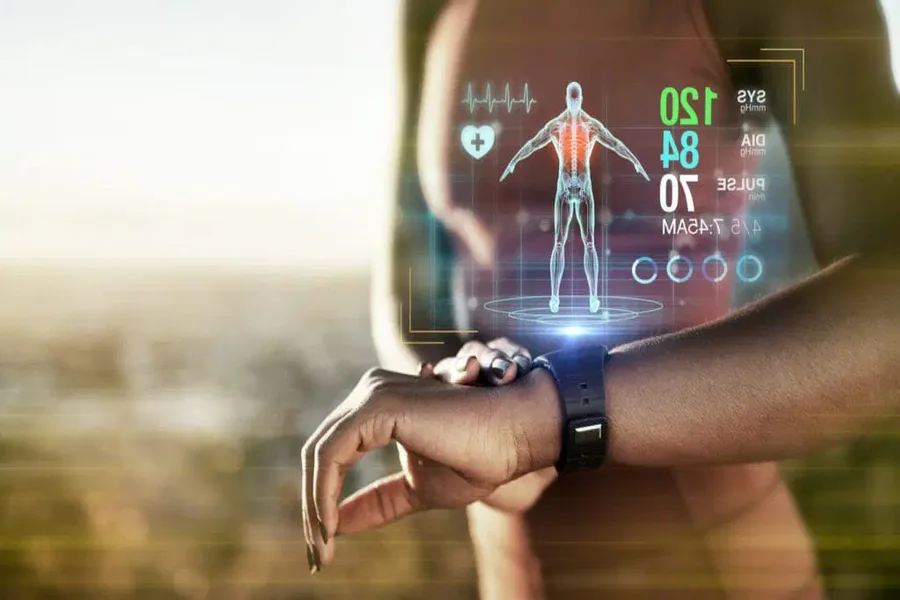
The future of wearable health monitoring technology is changing how people understand their health and manage everyday wellness. Smartwatches, fitness trackers, smart rings, and medical wearables can now measure important indicators such as heart rate, activity levels, sleep patterns, and blood oxygen saturation on supported devices. As sensors become more sophisticated, these products are moving beyond basic fitness tracking toward more personalized health insights. They can help users recognize patterns, monitor progress, and share selected information with healthcare professionals. Although wearable devices cannot replace medical examinations, their growing capabilities are creating new opportunities for preventive care and more informed health decisions.
Smarter Sensors and Continuous Health Tracking
One of the most significant developments in wearable technology is the improvement of miniature sensors. Modern devices can collect measurements throughout the day, helping users understand how their activity, rest, and routines relate to changes in their health indicators. Depending on the device, features may include heart rate monitoring, skin temperature estimates, sleep tracking, and electrocardiogram recordings. Researchers are also developing technologies that could measure additional biological signals through the skin or sweat. These advances may eventually support more detailed monitoring outside hospitals. However, measurement accuracy varies by device and activity, so readings should be treated as useful information rather than definitive medical diagnoses.
Artificial Intelligence and Personalized Health Insights
Artificial intelligence is helping wearable devices turn large amounts of collected data into information that is easier to understand. Instead of displaying isolated measurements, intelligent software can identify patterns over time, establish personal baselines, and notify users when certain readings differ from their usual ranges. For example, a device might highlight changes in resting heart rate or sleep consistency that encourage someone to review their habits or seek professional advice when appropriate. Digital platforms, including services such as feeltextz, reflect the broader role of accessible online experiences in helping people engage with digital information. In healthcare, AI-supported insights must be carefully designed to limit false alarms, explain uncertainty, and avoid presenting predictions as confirmed medical conclusions.
Wearable Devices and Preventive Healthcare
Wearable health monitors could make preventive healthcare more practical by helping people observe changes between medical appointments. Activity reminders may encourage regular movement, while sleep reports can help users identify routines associated with better rest. For people managing certain long-term conditions, compatible medical wearables may support remote monitoring and allow healthcare teams to review selected measurements. This can be particularly useful when frequent in-person visits are difficult. Wearable data may also help clinicians understand how symptoms or health indicators change during daily life. Still, successful remote monitoring requires clear communication, appropriate clinical oversight, and reliable systems for reviewing important alerts. Not every measurement requires intervention, and users should follow professional guidance when interpreting concerning results.
Privacy, Accuracy, and Emerging Innovations
As wearable devices collect increasingly personal information, privacy and data security are becoming essential concerns. Health measurements can reveal details about sleep, activity, routines, and potentially sensitive physical changes. Manufacturers should clearly explain what information they collect, how long they retain it, and whether they share it with other organizations. Strong account security, encryption, and meaningful user controls can reduce privacy risks. Accuracy is equally important because poorly interpreted readings may cause unnecessary anxiety or create false reassurance. Future developments may include more advanced non-invasive sensors, improved battery life, flexible wearable materials, and better connections with electronic health records. These innovations will need thorough validation, transparent design, and appropriate safeguards before being relied upon for important medical decisions.
Final Thought
Wearable health monitoring is moving toward a future where personal health information can be collected more conveniently and interpreted with greater context. Better sensors, AI-powered analysis, and remote monitoring systems may help people recognize patterns earlier and support more personalized healthcare. At the same time, technology alone cannot guarantee better health outcomes. Devices must provide dependable measurements, protect sensitive information, and communicate their limitations clearly. Users should also understand that wearable readings are not substitutes for medical advice, diagnosis, or emergency care. With responsible development and collaboration between technology companies, researchers, and healthcare professionals, wearable devices can become valuable tools for supporting healthier routines and more informed conversations about personal well-being.
FAQs
1. What is wearable health monitoring technology?
Wearable health monitoring technology includes devices such as smartwatches, fitness trackers, and medical sensors that collect information about selected health indicators and daily activities.
2. How will wearable health technology improve in the future?
Future devices may offer more accurate sensors, improved battery life, smarter data analysis, and additional ways to support remote patient monitoring.
3. Can wearable devices detect health problems?
Some devices can identify unusual readings or patterns that may warrant attention, but their capabilities vary and they cannot reliably diagnose every medical condition.
4. Is wearable health data safe and private?
It can be protected through encryption, secure accounts, and clear privacy controls, but users should review how each manufacturer collects, stores, and shares their information.
5. Can wearable health monitors replace doctors?
No, wearable monitors can provide useful supporting information, but medical professionals are needed to interpret symptoms, confirm diagnoses, and recommend appropriate treatment.