5 Ways Animal Hospitals Keep Pets Comfortable During Treatment
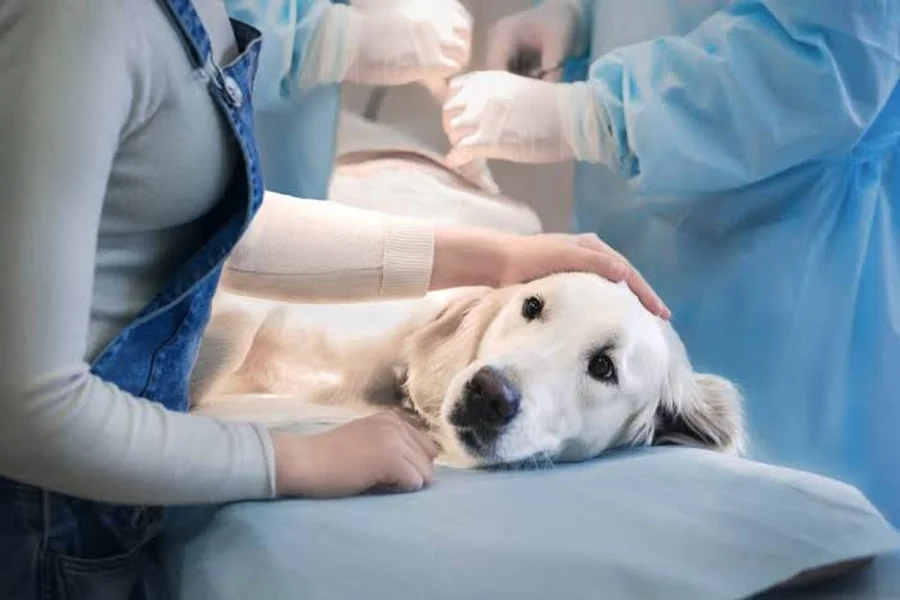
You know your pet better than anyone, so when they seem nervous at the clinic, it can make your stomach drop. The shaking, the tucked tail, the wide eyes, the way they press into you or freeze on the exam table, it all feels personal because it is. At an animal hospital in Waverley, you are trusting someone else with a family member who cannot say what hurts or what feels scary.
Good care is not only about diagnosing an illness or finishing a procedure. Comfort matters during every step of treatment, because stress can raise pain, make handling harder, and leave pets afraid of future visits. The best animal hospitals work on both problems at once. They treat the medical issue and lower fear, pain, and confusion in ways your pet can actually feel.
Fear reduction starts before treatment begins
Many pets arrive upset before anyone touches them. The car ride, strange smells, barking dogs, and unfamiliar people can stack stress fast. A thoughtful animal hospital pays attention to that first layer of fear instead of waiting until the exam starts.
This often means quieter waiting areas, separate spaces for cats and dogs, softer handling, and staff who move at the pet’s pace when possible. Some clinics also use treats, non slip surfaces, and low stress body positioning so pets do not feel cornered. If your dog panics in busy spaces, or your cat shuts down the second the carrier opens, those details can change the whole visit.
You can see this same approach reflected in guidance on making veterinary visits less stressful for dogs, which focuses on reducing fear before it builds into a bigger problem.
Pain control is built into modern veterinary treatment
Pets hide pain well. That makes treatment harder, because a quiet animal may still be sore, anxious, or overwhelmed. Strong hospitals do not wait for obvious signs. They plan for pain relief based on the condition, the procedure, and the pet’s age and health.
This can include local numbing medication, anti inflammatory drugs, sedation when needed, warm bedding, gentle repositioning, and close monitoring after treatment. A pet recovering from dental work does not have the same needs as one with arthritis or a wound repair. Comfort plans should reflect that.
Medication also needs to be used carefully. The FDA offers helpful facts about pain relievers for pets, including why you should never give human pain medicine without veterinary guidance. A dose that seems small to you can be dangerous for them.
Handling methods shape how safe your pet feels
Restraint is one of the biggest reasons pets become fearful during care. If a hospital relies on force first, pets remember it. If the team uses calm, efficient handling and adjusts when a pet struggles, treatment usually goes more smoothly and with less stress.
That can mean using towels for cats instead of pinning them down, lifting large dogs with support slings, or breaking treatment into shorter steps so the pet does not hit a wall. Sedation is not a failure in these cases. Sometimes it is the kindest option, because it prevents panic and allows needed care without a fight.
Ways veterinary clinics reduce pet stress during treatment often come down to this balance. The goal is not simply to get the procedure done. The goal is to get it done without turning the experience into something your pet dreads next time.
Comfort often depends on communication with you
You may be the only one who knows that your dog hates having his back legs touched, or that your cat settles when covered with a towel, or that your senior pet gets stiff after lying on cold surfaces. A good hospital asks for that information and uses it.
This matters more than people think. If your pet has a history of motion sickness, noise sensitivity, separation distress, or fear around strangers, those details can guide sedation choices, exam timing, and recovery support. They can also save money in the long run, because a calmer pet is often easier to assess and safer to treat.
Pet comfort during veterinary care is not a luxury add on. It affects the quality of the exam, the accuracy of findings, and whether follow up visits become harder or easier.
Recovery support keeps pets comfortable after the procedure
Treatment does not end when the procedure is over. Pets often feel disoriented, sore, thirsty, or protective of a painful area during recovery. Hospitals that take comfort seriously watch body temperature, posture, breathing, appetite, and pain signals before sending a pet home.
If your pet has ever come home groggy and restless, you know how hard that window can be. Clear discharge instructions help, but so does the work done inside the hospital first. Warmth, clean bedding, nausea control, and quiet recovery spaces can make the first few hours much easier on both of you.
Comfort measures and the risks they help reduce
| Comfort measure | What it helps with | What can happen without it |
|---|---|---|
| Low stress intake and waiting area | Reduces fear before the exam starts | Escalating anxiety, harder handling, raised heart rate |
| Pain assessment and medication plan | Lowers discomfort during and after treatment | Hidden pain, slower recovery, reduced appetite |
| Gentle handling and proper restraint | Improves safety and trust | Struggling, injury risk, stronger fear response next visit |
| Tailored sedation when needed | Prevents panic and allows safer care | Failed procedures, severe stress, delayed treatment |
| Monitored recovery support | Helps with nausea, pain, and temperature control | Rougher recovery, confusion, avoidable complications |
Three steps you can take before your next visit
Share your pet’s triggers early. Tell the hospital if your pet reacts badly to carriers, loud dogs, nail trims, rear end handling, or separation from you. Small details help the team plan a calmer visit.
Ask about pain control and sedation options. If your pet is having a procedure, or even a stressful exam, ask what will be used for comfort before, during, and after treatment. This is part of good medicine, not an extra question.
Bring familiar support. A favorite blanket, high value treats, or a carrier your cat has already rested in at home can lower stress fast. For many pets, familiar scent is grounding in a room that smells nothing like home.
Comfort is part of good veterinary care
The best animal hospital comfort practices for pets are not fancy extras. They are signs that the clinic sees your pet as a living, feeling patient, not just a case to move through the schedule. When fear is lower and pain is managed well, treatment is safer, recovery is smoother, and future visits are less overwhelming.
If your pet needs care, look for an animal hospital that treats comfort as part of the treatment plan from the moment you walk in to the moment you head home.