What Dental Fluorescence Means for Natural Looking Restorations
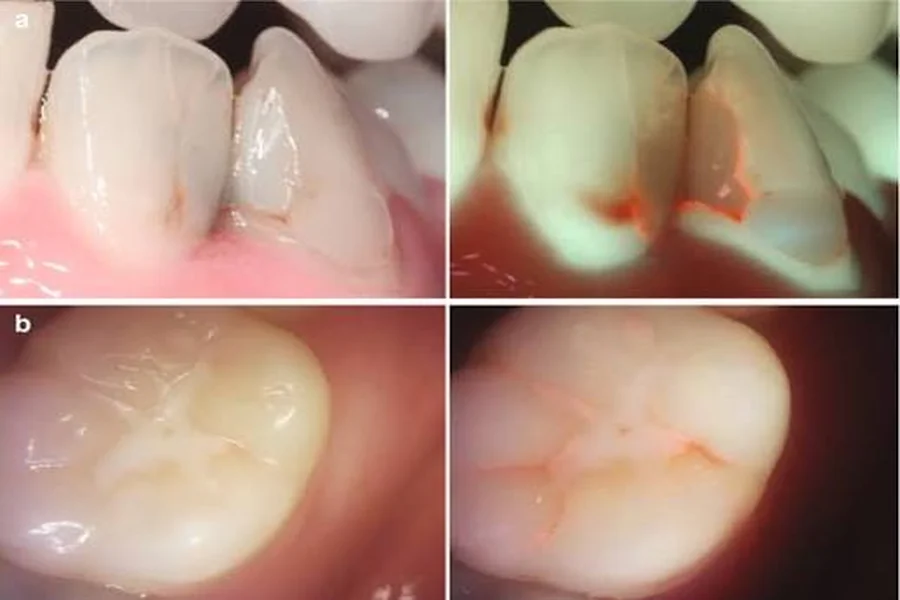
You can do everything right, choose a shade carefully, invest in cosmetic work, and still feel like something looks off when you step into sunlight or stand under bright indoor lights. That reaction is common, and a dentist in Canton Township, MI can help explain why. Teeth do not just have a color. They interact with light in a way that gives them depth, softness, and life. When a restoration misses that, it can look flat, gray, or too bright even if the shade match looked fine in the chair.
That is where dental fluorescence matters. Natural teeth absorb certain wavelengths of light and emit a soft bluish white glow, which helps them look alive under daylight and ultraviolet rich lighting. A filling, veneer, crown, or bonding material that does not behave the same way can stand out in photos, in restaurants, or outdoors. The goal in cosmetic dentistry is not just a color match. It is a light match.
Dental fluorescence affects whether restorations blend or stand out
Dental fluorescence is part of what makes natural enamel and dentin look real. Dentin contributes most of this effect, which means the inner structure of the tooth plays a big role in how light is reflected back to the eye. Research on tooth optics has shown that fluorescence influences brightness and visual harmony, especially in lighting conditions that contain ultraviolet energy. You can see that discussed in this review of fluorescence in dental tissues and materials.
If a restoration lacks fluorescence, the problem may not show up right away. In the operatory, under standard lighting, it may seem close enough. Later, you notice the crown looks dull in daylight, or the bonding on a front tooth looks chalky in photos. That disconnect can be frustrating because you know something feels unnatural, even if you cannot explain why.
This is one reason highly visible restorations need more than a basic shade tab selection. Surface texture, translucency, opacity, and fluorescence all work together. A restoration can have the right color and still miss the mark because it does not respond to light the way a natural tooth does.
Natural tooth fluorescence gives teeth depth, brightness, and realism
Natural teeth are not one flat tone. They have layers, internal character, and different optical effects depending on age, hydration, and tooth structure. Fluorescence adds a subtle brightness that helps teeth avoid looking lifeless. Without it, restorations may appear darker under some lights and overly opaque under others.
Patients usually notice this in front teeth first. A single central incisor crown that does not fluoresce like the neighboring tooth can draw attention every time you smile. Veneers can also look too uniform if the material choice ignores the optical behavior of the surrounding teeth. This is why natural looking dental restorations depend on more than shade alone.
Studies of tooth appearance and restorative materials have also explored how clinicians evaluate color and light behavior in esthetic treatment. This Harvard research paper on color in dentistry helps explain why matching a restoration requires an understanding of optical properties, not just hue and value.
Material choice influences cosmetic dentistry results
Different restorative materials handle fluorescence differently. Composite resins, ceramics, and layered porcelain systems are not all built the same. Some are designed to mimic natural fluorescence better than others. Even within the same category, one brand or formulation may perform very differently from another.
That matters if you are replacing an old crown, fixing a chipped edge, or planning a smile makeover. A small repair on one front tooth may need careful layering to avoid a visible patch. A crown made for strength alone may not look natural enough in a high smile line. In back teeth, fluorescence may matter less cosmetically, but in the front, it can make the difference between “good enough” and “that looks like your tooth.”
Tooth fluorescence in restorations becomes even more relevant when you have mixed dental work. Natural teeth next to old fillings, newer bonding, and crowns can reflect light in uneven ways. Under one kind of lighting everything seems acceptable. Under another, the differences become obvious.
Practical comparison points for restorations that need to look natural
| Factor | Natural Tooth | Restoration With Good Fluorescence Match | Restoration With Poor Fluorescence Match |
|---|---|---|---|
| Daylight appearance | Balanced brightness and depth | Blends with nearby teeth | May look dull, gray, or too white |
| Photo appearance | Reflects light softly | Looks consistent across angles | Can appear flat or overly opaque |
| Nightlife or UV rich lighting | Subtle natural glow | Maintains a realistic look | May stand out from surrounding teeth |
| Best use | Not applicable | Front teeth, veneers, visible crowns, bonding | Less ideal for esthetic zones |
| Patient reaction | Looks normal and unnoticed | Feels natural and confident | “Something looks off” feeling |
For many patients, that last point is the one that matters most. You are not asking for perfection. You want dental work that does not pull focus every time light hits it differently.
Three steps help you get more natural looking cosmetic dental work
Ask about optical properties, not just shade. If you are getting a visible restoration, ask whether the material choice considers translucency, surface texture, and fluorescence. This is especially useful for front tooth crowns, veneers, and composite bonding.
Bring real world references to your visit. A close photo of your smile in daylight can help. If you already have a restoration that bothers you, point out when it looks wrong. Many patients say, “It looks fine in the office but strange outside.” That detail helps guide material and design choices.
Choose a general and cosmetic dentist who plans for lighting changes. Good esthetic dentistry accounts for how teeth look in more than one setting. That includes the way a restoration behaves indoors, outdoors, and in photographs. A skilled cosmetic dentist pays attention to those details before treatment starts, not after disappointment sets in.
Natural looking restorations depend on how teeth handle light
If you have been staring at a crown, veneer, or bonded tooth and thinking it does not quite belong, you are probably picking up on something real. Color is only part of the story. Fluorescence helps teeth look alive, and restorations that mimic it tend to disappear into your smile instead of calling attention to themselves.
When you are considering treatment, ask for a plan that goes beyond shade matching and focuses on natural light behavior. That extra care is often what makes the final result feel like you again.