Automotive Industry Trends Shaping the Future of Driving
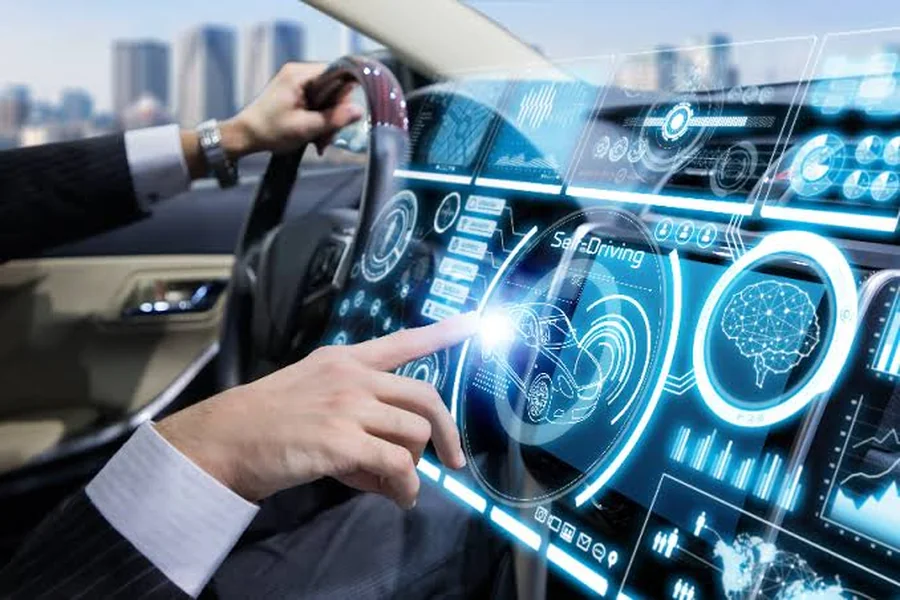
The automotive industry is experiencing significant changes as technology, environmental concerns, and consumer expectations reshape the way vehicles are designed, produced, and driven. Automotive Industry Trends reflect a shift toward smarter transportation, improved safety, cleaner energy, and more connected driving experiences. Manufacturers are adapting to new challenges while exploring opportunities in electric mobility, automation, digital services, and advanced vehicle engineering. These developments affect not only car companies but also drivers, suppliers, repair businesses, and transportation systems around the world.
The modern automotive market is influenced by several factors, including stricter environmental standards, changing fuel prices, technological innovation, and demand for convenient mobility. Buyers increasingly consider efficiency, safety features, connectivity, and long-term ownership costs when choosing vehicles. Keeping up with industry developments through informative platforms such as themeasuremagazine can help readers understand how these changes influence businesses and everyday transportation. As the market evolves, manufacturers must balance innovation with affordability, reliability, and customer satisfaction.
Electric Vehicles and Sustainable Mobility
Electric vehicles are becoming an important part of the industry’s transition toward cleaner transportation. Battery-powered cars offer an alternative to traditional petrol and diesel vehicles, reducing direct exhaust emissions during operation. Manufacturers are investing in battery technology, charging systems, and improved vehicle efficiency to make electric mobility more practical. Hybrid vehicles also remain relevant for consumers who want improved fuel economy without relying entirely on charging infrastructure. However, challenges such as battery costs, charging availability, and battery recycling still need attention. The expansion of charging networks and improvements in energy storage will play important roles in determining how quickly electric vehicles become accessible to more drivers.
Artificial Intelligence and Connected Vehicle Technology
Digital technology is changing how vehicles communicate with drivers, passengers, and external systems. Modern cars increasingly include connected navigation, voice assistants, smartphone integration, and real-time vehicle information. Artificial intelligence can support driver assistance, predictive maintenance, and more personalized driving experiences. Connected systems may also help manufacturers identify technical issues before they become serious problems. These technologies can improve convenience and help drivers make informed decisions, but they also introduce concerns about data privacy and cybersecurity. Automakers must protect connected systems from unauthorized access while ensuring that digital features remain reliable and easy to use.
Advanced Safety Features and Autonomous Driving
Vehicle safety continues to be a major priority for manufacturers and consumers. Advanced driver-assistance systems now offer features such as automatic emergency braking, lane departure warnings, blind-spot monitoring, and adaptive cruise control. These technologies can help drivers recognize potential hazards and respond more effectively. Autonomous driving research is also progressing, although fully self-driving vehicles still face technical, legal, and safety challenges. Weather conditions, unpredictable road behavior, and complex traffic environments make reliable automation difficult. As these systems develop, manufacturers must conduct extensive testing and provide clear information about their limitations. Drivers should remember that many assistance features still require active attention and responsible supervision.
Changing Consumer Preferences and Vehicle Manufacturing
Consumer expectations are influencing vehicle design and production strategies. Many buyers want vehicles that combine comfort, fuel efficiency, modern technology, and affordable ownership costs. SUVs and crossovers remain popular in many markets, while demand for compact and economical models continues among budget-conscious drivers. Manufacturers are also reconsidering production methods to improve efficiency and reduce waste. Automation, robotics, advanced materials, and digital manufacturing systems can support more consistent production and quality control. At the same time, global supply chain challenges encourage companies to strengthen supplier relationships and improve access to essential components. Understanding local customer needs remains important as automakers compete in different markets.
Final Thought
The automotive sector is moving toward a future shaped by electrification, connectivity, intelligent safety systems, and changing consumer expectations. These developments create opportunities for manufacturers while introducing challenges involving cost, infrastructure, cybersecurity, and environmental responsibility. Companies that respond thoughtfully to technological progress and customer needs will be better positioned to remain competitive. Drivers can also benefit by understanding new vehicle features and considering long-term ownership requirements before making purchasing decisions. Although the pace of change may differ between markets, innovation will continue to influence how people travel, maintain vehicles, and experience transportation.
FAQs
What are the major automotive industry trends today?
Major trends include electric vehicles, connected car technology, artificial intelligence, advanced safety systems, and more sustainable manufacturing.
Why are electric vehicles becoming more popular?
Electric vehicles attract buyers because they offer an alternative to conventional fuels, lower direct exhaust emissions, and can reduce certain running costs.
How is artificial intelligence changing the automotive industry?
Artificial intelligence supports driver assistance, predictive maintenance, intelligent navigation, and personalized vehicle features.
What are advanced driver-assistance systems?
These are vehicle technologies designed to support safer driving through features such as automatic braking, lane warnings, and blind-spot monitoring.
Will autonomous vehicles replace traditional cars?
Autonomous vehicles may become more common, but widespread adoption depends on technological reliability, safety standards, regulations, and public acceptance.
How are consumer preferences affecting car manufacturers?
Consumers increasingly expect efficient vehicles, modern safety features, connected technology, comfortable interiors, and reasonable ownership costs.