6 Preventive Habits That Make General Dentistry Visits Easier
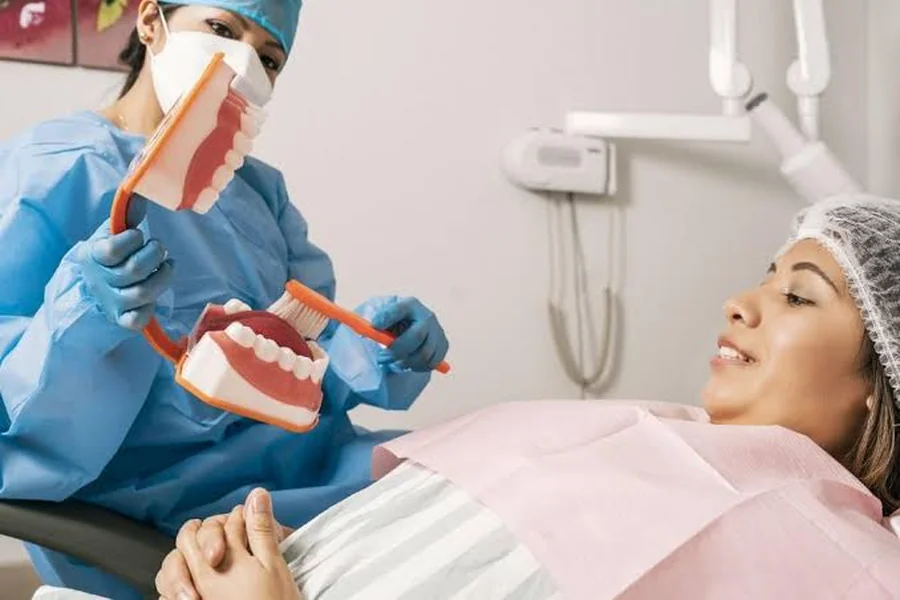
You know the feeling when a dental visit is coming up and your mind starts doing math. How long has it been since the last cleaning, have you been flossing enough, is that little spot of sensitivity going to turn into bad news? A lot of people walk into a Sunnyvale dental office carrying more worry than they need to. Most of that stress starts long before the appointment.
The good news is that easier visits usually come from small habits at home, not big fixes after something hurts. When you stay ahead of plaque, decay, gum irritation, and wear, your checkups tend to be faster, simpler, and less expensive. 6 Preventive Habits That Make General Dentistry Visits Easier comes down to this. Clean well, eat with your teeth in mind, protect enamel, and do not wait for pain to tell you something is wrong.
Preventive dental habits reduce surprises at your checkup
A hard dental appointment rarely starts in the chair. It often starts with a rushed night when brushing gets cut short, a few weeks of bleeding gums that seem easy to ignore, or constant snacking that gives cavity causing bacteria more chances to feed. One skipped habit does not ruin your oral health. A pattern can.
That is why preventive dental care habits matter so much. They lower the chance that your dentist finds a cavity that needs a filling, tartar buildup that takes more work to remove, or gum inflammation that makes cleanings uncomfortable. According to the CDC’s oral health tips for adults, daily brushing, flossing, smart food choices, and regular dental care all help protect teeth and gums.
The first habit is simple and still the one people miss most. Brush twice a day for two full minutes with fluoride toothpaste. Not a quick pass over the front teeth. Not thirty distracted seconds. A real two minutes, including the gumline and back molars. Fluoride helps strengthen enamel and lower the risk of decay.
The second habit is flossing or cleaning between teeth once a day. This is where a lot of problems hide. Your toothbrush cannot reach tight spaces well, and plaque left there can harden into tartar. If floss feels awkward, interdental brushes or floss picks may help you stay consistent. The National Institute of Dental and Craniofacial Research guidance on oral hygiene explains these basics clearly, and the basics still do most of the work.
The third habit is cutting back on constant sugar exposure. It is not only about candy. Sipping soda, sweet coffee, sports drinks, or even frequent juice through the day keeps feeding bacteria. They produce acids that attack enamel again and again. The NIH overview of tooth decay explains how this process leads to cavities. If you want an easier visit with a dentist, fewer acid attacks give your teeth a better shot.
General dental checkups get easier when you protect enamel and gums
The fourth habit is drinking more water, especially after meals. Water helps rinse away food particles, supports saliva, and cuts down on dry mouth. Saliva matters more than many people realize. It helps neutralize acids and protect teeth naturally. If your mouth often feels dry because of medications, mouth breathing, or dehydration, mention it at your next visit. Dry mouth can make cavities more likely.
The fifth habit is wearing a night guard or sports mouthguard when needed. If you grind your teeth in your sleep, you may not notice the damage until your dentist points out worn edges, cracks, or jaw tension. If you play contact sports, one bad hit can turn prevention into emergency care. This is where a routine visit with a general dentist can stay routine instead of becoming a repair plan.
The sixth habit is keeping regular appointments instead of waiting for pain. This is the one many people put off because life gets busy or money feels tight. Waiting often costs more. A small cavity is easier to treat than a deep one. Mild gingivitis is easier to reverse than advanced gum disease. When you go in on schedule, your dentist can catch changes early, before they turn into discomfort, time off work, or bigger bills.
Daily choices shape the kind of dental visit you have
| Habit | If you keep up with it | If you ignore it |
|---|---|---|
| Brushing with fluoride twice daily | Less plaque, stronger enamel, fewer cavities | More buildup, higher risk of decay and sensitivity |
| Cleaning between teeth daily | Healthier gums, less bleeding, fewer hidden problem spots | Tartar between teeth, gum irritation, harder cleanings |
| Limiting sugary drinks and snacks | Fewer acid attacks on teeth | Higher cavity risk, enamel wear |
| Drinking water often | Better saliva support, cleaner mouth after meals | Dry mouth, lingering sugars and acids |
| Using a mouthguard when needed | Less wear, fewer chips and fractures | Grinding damage, sports injuries, repair costs |
| Keeping routine dental visits | Problems found early, simpler treatment | Delayed care, more pain, more expensive treatment |
This is why routine dentistry visits feel so different from one person to the next. Two people can sit in the same waiting room, but one needs only a cleaning while the other needs treatment that could have been prevented months earlier. The gap is often habit, not luck.
Small changes make preventive dentistry easier to stick with
Set your routine where you can see it. Keep floss next to your toothbrush, not buried in a drawer. Use a timer or electric toothbrush with a built in two minute cycle. Habits stick better when they are easy to start.
Change what you sip all day. If you drink sweet or acidic beverages often, try moving them to mealtime and switch to water between meals. That one change can lower how often your teeth face acid and sugar.
Book the next visit before you leave. People who wait to schedule often wait too long. Put the next checkup on the calendar while the last one is still fresh. It removes one more barrier and keeps care in the prevention stage.
Steady oral care makes every dentist visit more manageable
You do not need perfect teeth to have an easier appointment. You need steady habits that lower the chance of surprise problems. Brush well, clean between teeth, watch the sugar, drink water, protect your teeth from grinding or injury, and keep up with regular care. That is how general dentistry visits become less stressful and more predictable.
If it has been a while, you are not alone, and you do not need to feel embarrassed. The best next step is simply getting back on track with a general dentist and giving your teeth the kind of daily support that makes future visits easier.