AC Service Network: Structure, Benefits, and How It Works
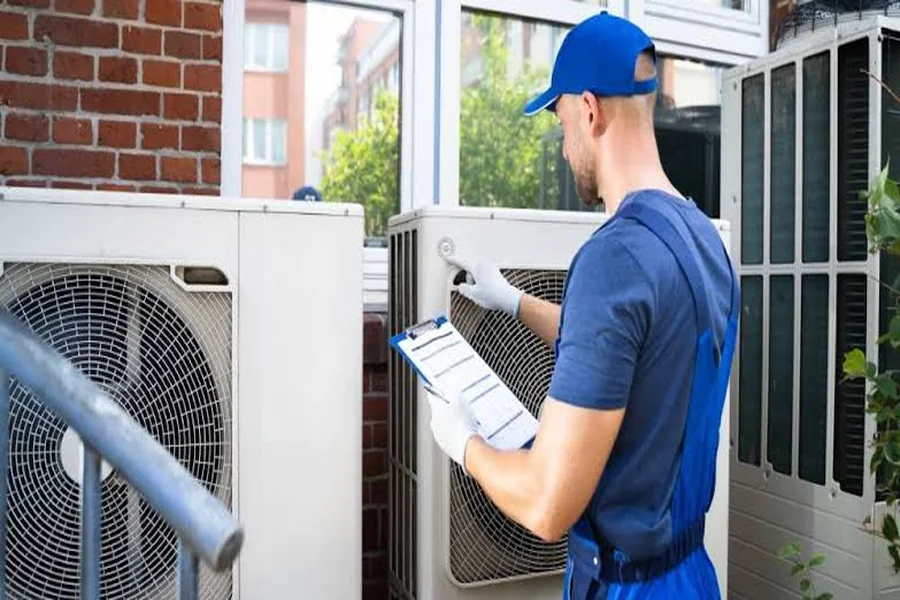
Air conditioning systems are widely used in homes, offices, and commercial spaces, making reliable maintenance and repair essential. An AC Service Network plays a key role in delivering fast, organized, and professional support for these systems.
An AC service network is a connected system of technicians, service centers, and support teams that provide installation, maintenance, and repair services for air conditioners. It ensures customers receive timely assistance and consistent service quality.
This guide explains how AC service networks operate, their benefits, structure, and why they are important for modern cooling systems.
What Is an AC Service Network?
An AC Service Network is a structured system that connects customers with HVAC professionals.
It includes:
- Certified AC technicians
- Service centers and branches
- Customer support teams
- Emergency repair units
- Maintenance service providers
The goal is to provide quick and reliable AC services across different locations.
How AC Service Networks Work
AC service networks follow a coordinated system.
Customer Request
Users report AC issues through phone or online platforms.
Service Allocation
The nearest technician or team is assigned.
Diagnosis and Inspection
Technicians evaluate the system problem.
Repair or Maintenance
Necessary fixes or servicing are performed.
Feedback and Closure
Service quality is reviewed after completion.
Key Components of an AC Service Network
A strong service network includes several important elements.
Technicians
Skilled professionals handling repairs and maintenance.
Service Centers
Local hubs managing operations and logistics.
Customer Support
Helps users schedule and track services.
Spare Parts Supply
Ensures availability of replacement components.
Mobile Service Units
On-site repair teams for quick response.
Types of Services in AC Service Networks
Service networks cover a wide range of HVAC needs.
Installation Services
Setting up new air conditioning systems.
Repair Services
Fixing system breakdowns and malfunctions.
Maintenance Services
Routine cleaning and system checks.
Emergency Services
Immediate response for urgent failures.
Energy Optimization Services
Improving system efficiency and performance.
Benefits of AC Service Networks
A well-structured network offers many advantages.
Fast Response Time
Quick assignment of technicians reduces delays.
Reliable Service Quality
Standardized procedures ensure consistency.
Wide Coverage
Services available across multiple locations.
Cost Efficiency
Reduces repair time and unnecessary expenses.
Professional Expertise
Access to trained HVAC specialists.
Common Issues Handled by AC Service Networks
Service networks manage a variety of AC problems.
Weak Cooling
Often caused by refrigerant or airflow issues.
Electrical Failures
Faulty wiring or control systems.
Water Leakage
Blocked drain lines or installation errors.
Strange Noises
Mechanical issues in fan or compressor.
System Not Starting
Thermostat or power supply problems.
AC Service Network Maintenance Process
Maintenance is a core part of service operations.
Filter Cleaning
Improves airflow and air quality.
Coil Inspection
Ensures efficient heat exchange.
Refrigerant Check
Maintains proper cooling performance.
Electrical Testing
Prevents system failure.
System Performance Review
Ensures optimal operation.
Importance of AC Service Networks
These networks are essential for modern HVAC systems.
Improved Customer Support
Ensures quick assistance for users.
Better System Longevity
Regular servicing extends AC lifespan.
Reduced Downtime
Faster repairs minimize system outages.
Enhanced Efficiency
Well-maintained systems use less energy.
Standardized Service Quality
Ensures consistent repair and maintenance standards.
Challenges in AC Service Networks
Despite benefits, networks face challenges.
High Demand Seasons
Service delays during peak summer periods.
Technician Availability
Limited skilled professionals in some areas.
Spare Parts Shortages
Delays due to unavailable components.
Coordination Issues
Managing multiple service requests efficiently.
Quality Control
Ensuring consistent service standards.
Future of AC Service Networks
Technology is improving HVAC service systems.
Smart Scheduling Systems
AI-based technician assignment.
Remote Diagnostics
Early issue detection using IoT devices.
Mobile Apps
Easy booking and tracking of services.
Predictive Maintenance
Identifying failures before they happen.
Automated Service Alerts
Real-time system notifications.
Final Thought
An AC Service Network is a vital system that connects customers with skilled technicians and ensures reliable air conditioning services. It improves response time, enhances service quality, and ensures efficient maintenance and repair across different locations.
As HVAC systems become more advanced, service networks will continue to evolve with technology-driven solutions like smart diagnostics and predictive maintenance. This will make AC systems more reliable, efficient, and easier to manage for both residential and commercial users.
FAQs
What is an AC service network?
It is a system that connects customers with HVAC technicians and service providers.
What services does an AC service network provide?
Installation, repair, maintenance, and emergency support.
Why is an AC service network important?
It ensures fast and reliable HVAC services.
How does an AC service network work?
Customer requests are assigned to nearby technicians for service.
Can AC service networks handle emergencies?
Yes, many provide urgent repair services.
Do service networks include maintenance?
Yes, routine maintenance is a key part of their services.
What is the future of AC service networks?
They are moving toward AI-based scheduling and smart diagnostics.