Cricket Match Performance Analysis for Better Results
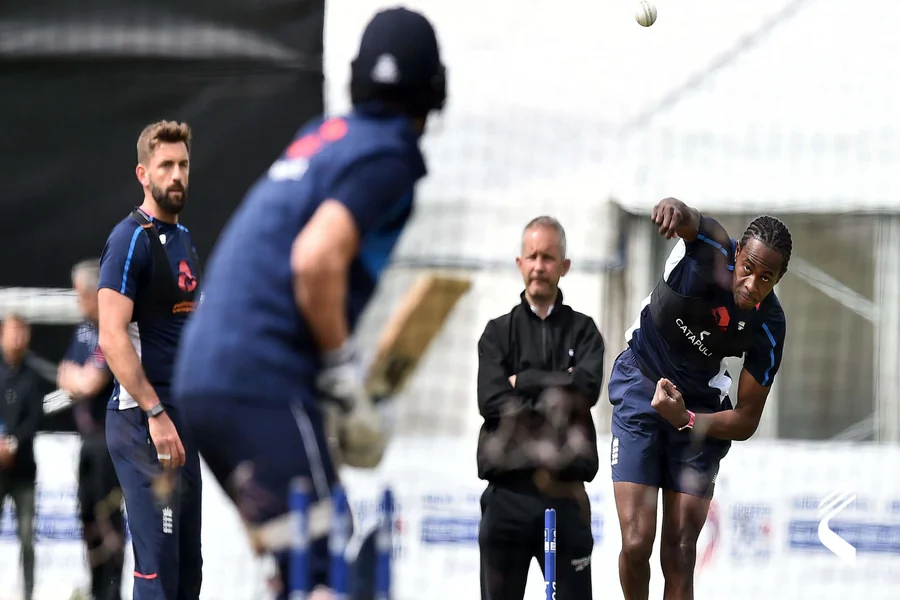
Cricket success depends on more than individual talent. Teams need proper planning, accurate evaluation, and continuous improvement to perform consistently. Cricket Match Performance Analysis helps players, coaches, and teams understand strengths, weaknesses, strategies, and areas that require improvement.
Modern cricket has become highly competitive, and performance analysis plays an important role in decision-making. By studying batting patterns, bowling effectiveness, fielding performance, and match situations, teams can develop better strategies and improve future results.
Performance analysis is not limited to professional teams. Amateur players can also benefit from reviewing their performances and identifying areas for development. A detailed approach allows players to understand their abilities and make smarter decisions on the field.
Understanding the Importance of Cricket Match Performance Analysis
Cricket is a game where small moments can change the result of a match. A dropped catch, poor shot selection, or ineffective bowling strategy can influence the final outcome. Performance analysis helps identify these moments and provides opportunities for improvement.
Cricket Match Performance Analysis involves studying different aspects of the game, including player statistics, team strategies, match conditions, and decision-making. This information helps teams understand what worked well and what needs adjustment.
For batsmen, analysis can reveal scoring patterns, weaknesses against certain bowling styles, and areas where shot selection needs improvement. Bowlers can study their accuracy, variations, and effectiveness against different opponents.
Teams can also analyze opposition strategies to prepare better game plans. Understanding an opponent’s strengths and weaknesses allows players to make more effective decisions during matches.
Key Areas Covered in Cricket Performance Analysis
A complete cricket performance analysis focuses on multiple areas of the game. Each aspect provides valuable information that contributes to overall improvement.
Batting analysis is one of the most important areas. It includes studying runs scored, strike rate, shot selection, consistency, and performance in different match situations. This helps batsmen understand their strengths and improve weak areas.
Bowling analysis examines factors such as economy rate, wickets taken, bowling accuracy, variations, and performance against different batsmen. Bowlers can use this information to improve their strategies.
Fielding analysis focuses on catching ability, ground coverage, throwing accuracy, and defensive skills. Strong fielding often creates important advantages during close matches.
Team analysis looks at overall performance, including partnerships, game plans, captaincy decisions, and tactical choices. This helps teams create better strategies for future games.
For players interested in additional resources related to personal growth, discipline, and positive development, platforms such as blessingpeace can provide helpful information and guidance.
Using Statistics to Improve Cricket Performance
Statistics play a major role in modern cricket analysis. Numbers provide valuable insights that help players and coaches make informed decisions.
Batting statistics such as average, strike rate, boundary percentage, and dismissal patterns help evaluate player performance. These numbers show consistency and highlight areas where improvement is needed.
Bowling statistics provide information about effectiveness. Metrics such as wickets, runs conceded, economy rate, and bowling accuracy help measure a bowler’s contribution.
Advanced analysis may also include data about scoring zones, bowling lengths, pitch conditions, and player matchups. This information helps teams develop specific strategies.
Statistics alone cannot explain everything, but when combined with observation and experience, they provide a clearer understanding of performance.
Role of Technology in Cricket Performance Analysis
Technology has transformed the way cricket performance is evaluated. Teams now use advanced tools to collect and analyze detailed information about players and matches.
Video analysis allows coaches to review batting techniques, bowling actions, fielding movements, and tactical decisions. Reviewing match footage helps identify mistakes and successful strategies.
Tracking technology can measure player movements, ball speed, accuracy, and other performance details. These insights help athletes improve technical skills.
Data analysis software allows teams to compare performances and identify patterns. Coaches can use this information to create personalized training programs for players.
Technology also helps during opposition analysis. Teams can study previous matches to understand opponents’ habits and prepare effective plans.
Improving Player Performance Through Match Analysis
The main goal of cricket performance analysis is continuous improvement. By understanding past performances, players can make better decisions and develop stronger skills.
Batsmen can improve by analyzing dismissals and identifying common mistakes. For example, a player may discover difficulty against specific bowling styles and focus on improving those areas during training.
Bowlers can study their successful deliveries and understand which strategies work best in different situations. This allows them to develop more effective bowling plans.
Fielders can use analysis to improve positioning and reaction time. Small improvements in fielding can have a major impact on match results.
Regular performance reviews also help players set realistic goals and measure progress over time.
Team Strategy and Match Planning
Performance analysis is essential for creating effective team strategies. Before a match, teams can study opponents and prepare plans based on available information.
Captains can use analysis to make better decisions regarding batting order, bowling changes, field placements, and game management.
Understanding pitch conditions and weather factors also helps teams select appropriate strategies. Different playing conditions require different approaches.
During matches, real-time analysis can help teams adjust their plans. Quick decisions based on accurate information can create advantages in competitive situations.
After matches, reviewing performance allows teams to learn from successes and mistakes.
Challenges in Cricket Performance Analysis
Although performance analysis provides many benefits, it also has certain challenges. Collecting accurate data and interpreting it correctly requires proper knowledge and experience.
Too much focus on statistics can sometimes overlook important factors such as player confidence, pressure situations, and team chemistry.
Analysis should support decision-making rather than replace human judgment. Coaches and players must combine data with experience and understanding of the game.
Another challenge is ensuring that players use analysis positively. Performance reviews should focus on improvement rather than creating unnecessary pressure.
A balanced approach helps teams gain maximum value from performance analysis.
Final Thought
Cricket Match Performance Analysis is an important tool for improving individual and team performance. By studying statistics, techniques, strategies, and match situations, players can identify weaknesses and develop stronger skills.
Modern cricket requires smart preparation, continuous learning, and effective decision-making. Performance analysis provides valuable insights that help teams compete at a higher level.
Whether used by professional teams or developing players, proper analysis creates opportunities for growth and better performance on the cricket field.
FAQs
What is Cricket Match Performance Analysis?
Cricket Match Performance Analysis is the process of evaluating player and team performances using statistics, match data, and strategic review.
Why is performance analysis important in cricket?
Performance analysis helps players identify strengths, improve weaknesses, and create better strategies for future matches.
What factors are analyzed in a cricket match?
Factors such as batting performance, bowling accuracy, fielding skills, player statistics, and team strategies are commonly analyzed.
How does technology help cricket performance analysis?
Technology helps collect detailed data, review match footage, track player movements, and identify performance patterns.
Can beginners benefit from cricket performance analysis?
Yes, beginners can use performance analysis to understand their skills and improve through focused training.
How often should cricket teams analyze their performance?
Regular analysis after matches and training sessions helps teams track progress and make continuous improvements.