Endomorph Mesomorph Ectomorph Body Types Explained
Introduction
Endomorph Mesomorph Ectomorph Body Types are traditional categories used to describe differences in body structure, muscle development, and general physical characteristics. The system divides people into three broad groups: endomorph, mesomorph, and ectomorph. Each category represents a different combination of natural proportions and body composition tendencies. Although these classifications are popular in fitness discussions, they should not be treated as fixed descriptions of someone’s metabolism, health, or athletic potential. Every individual has a unique body that may share characteristics with more than one category.
Understanding these classifications can provide a starting point for learning about natural body differences and exercise preferences. Resources such as bodytypecalc can offer additional information about body proportions and common body shape categories. However, the traditional system has limitations and is not a precise way to predict how someone will respond to food or exercise. Personal fitness decisions should be based on individual goals, abilities, health needs, and progress rather than a label alone.
What Are the Three Traditional Body Types?
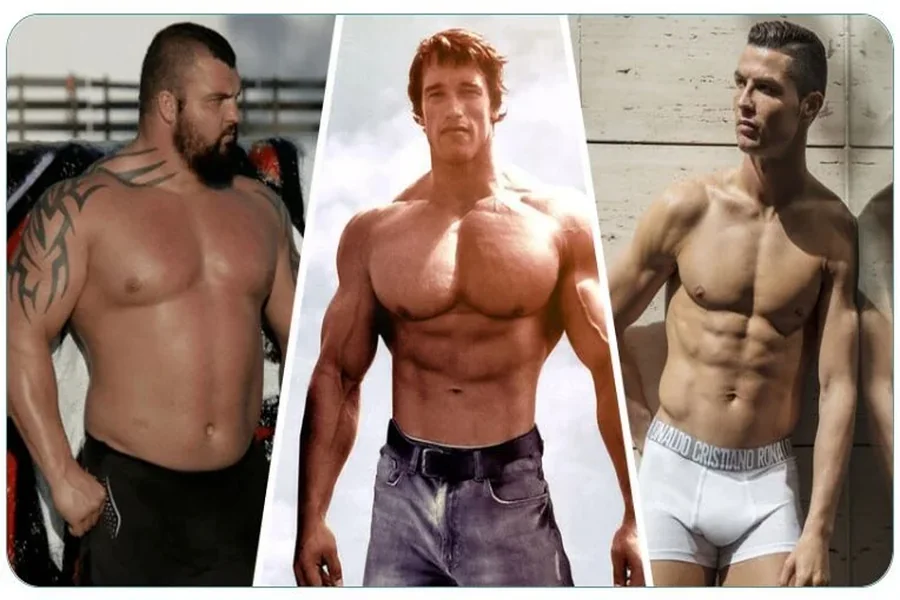
The three-category system is commonly associated with somatotypes, a classification developed to describe broad physical characteristics. An endomorph is traditionally described as having a rounder or fuller build, a mesomorph as having a naturally muscular or athletic appearance, and an ectomorph as having a slimmer frame with relatively narrow proportions. These descriptions are general observations rather than strict biological categories.
Most people do not fit perfectly into just one group. Someone may have a naturally slim frame but develop noticeable muscle through strength training. Another person may have broader shoulders while carrying more weight around the hips or waist. Physical appearance can also change with age, nutrition, exercise, and other lifestyle influences. The categories are therefore best understood as a simple way of discussing body variation, not as permanent identities. They should never be used to judge someone’s health, fitness level, or potential.
Endomorph: Common Characteristics and Fitness Considerations
The traditional endomorph category is associated with a broader or rounder body appearance and a tendency to carry more body fat. People described this way may have wider hips, a fuller midsection, or a naturally solid frame. However, these features vary considerably, and they do not automatically indicate a person’s metabolism, health, or fitness ability.
A balanced fitness routine can include resistance training, cardiovascular exercise, and regular everyday movement. Strength exercises such as squats, rows, lunges, and presses can help develop muscle and improve functional strength. Walking, cycling, swimming, or dancing can support cardiovascular fitness. Nutrition should focus on balanced meals and sustainable eating habits rather than restrictive diets. People in this category do not need to follow a completely different programme from everyone else. Exercise selection should reflect personal preferences, experience, and health needs.
Mesomorph: Common Characteristics and Fitness Considerations
A mesomorph is traditionally described as having a naturally athletic appearance, broader shoulders, and a relatively muscular build. People with these characteristics may find it easier to develop visible muscle through resistance training, although individual results depend on genetics, training history, nutrition, and consistency. The category does not guarantee athletic ability or make fitness progress automatic.
A well-rounded programme can help maintain strength, endurance, and mobility. Resistance exercises such as deadlifts, push-ups, shoulder presses, and step-ups can support muscle development. Cardiovascular activities are also valuable for heart health and stamina. Including flexibility and mobility exercises can improve comfortable movement and support everyday performance. Recovery remains important, even for people who appear naturally muscular. Adequate sleep, balanced nutrition, and rest between demanding sessions help the body adapt to training. Rather than focusing only on muscle size, it is useful to develop a range of physical abilities.
Ectomorph: Common Characteristics and Fitness Considerations
The ectomorph category traditionally describes people with slimmer frames, narrower shoulders, and relatively lean proportions. Some individuals with this build may find it challenging to increase body weight or muscle mass, although this experience is not universal. Genetics, appetite, daily activity, training methods, and nutrition all influence how the body responds to exercise.
People who want to build strength can include progressive resistance training in their routine. Exercises such as squats, presses, rows, and hip hinges work several muscle groups and can be adapted to different fitness levels. Adequate food intake and sufficient protein can support muscle repair and development. Rest is equally important because muscles need time to recover after challenging sessions. There is no need to avoid cardiovascular exercise entirely; moderate activities can still support heart health. The best approach balances strength, endurance, nutrition, and recovery according to personal goals.
How to Choose a Fitness Routine That Suits You
Rather than choosing workouts solely according to a traditional body type, consider what you want to achieve. Someone hoping to improve endurance may prioritize walking, swimming, cycling, or other cardiovascular activities. A person interested in building strength can follow a progressive resistance programme. Those who want better flexibility or balance may include stretching, yoga, or controlled mobility exercises.
Start at a comfortable level and increase the difficulty gradually. A balanced weekly plan can combine strength training, cardiovascular activity, and recovery days. Nutrition should provide enough energy and a variety of nutrients to support activity. Track practical improvements such as lifting more comfortably, walking farther, or recovering more efficiently. If you have a medical condition, injury, or specific health concern, consult a qualified professional before beginning a demanding exercise programme. Personal progress is more meaningful than trying to match a traditional category.
Final Thought
The endomorph, mesomorph, and ectomorph classifications offer a simple way to discuss differences in physical appearance, but they cannot fully explain individual bodies. Most people display a combination of characteristics, and their proportions can change through natural development, exercise, and lifestyle habits. These labels should not determine what someone eats, which activities they can enjoy, or what fitness goals they should pursue. A successful routine depends on personal needs, consistent effort, balanced nutrition, and proper recovery. Focus on becoming stronger, healthier, and more confident rather than trying to fit into a fixed body type.
FAQs
What are the three traditional body types?
The three traditional categories are endomorph, mesomorph, and ectomorph, each describing a broad set of physical characteristics.
Can someone have characteristics of more than one body type?
Yes. Many people have a combination of features and do not fit neatly into a single category.
Which body type builds muscle most easily?
Mesomorphs are traditionally described as having a muscular build, but actual muscle development depends on genetics, training, nutrition, and recovery.
Are body type classifications scientifically exact?
No. Somatotypes are broad descriptive categories and cannot accurately predict an individual’s metabolism, health, or fitness potential.
Should workouts be selected according to body type?
No. Exercise programmes should be based on personal goals, fitness levels, preferences, and health requirements.
Can a person’s body type change over time?
Appearance and body composition can change with age, exercise, nutrition, and lifestyle, although underlying skeletal structure generally remains stable.