Healthy Eating at Restaurants: Smart Choices for Any Menu
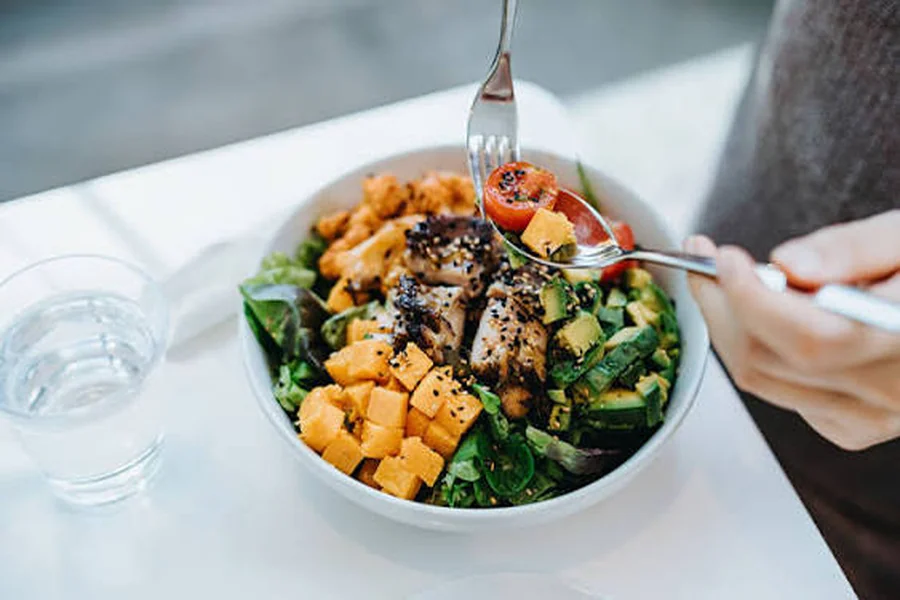
Eating at a restaurant can be an enjoyable experience, but many people worry that dining out makes healthy eating difficult. Restaurant menus often include large portions, rich sauces, fried foods, sugary drinks, and tempting desserts. However, Healthy Eating at Restaurants is possible without avoiding social meals or ordering only plain food. With a few simple habits, you can enjoy your meal while making choices that support your overall well-being.
The key is to focus on balance rather than perfection. You do not need to choose the lowest-calorie item on the menu or avoid every food you enjoy. Instead, look for meals that include a variety of nutritious ingredients and choose portions that leave you feeling satisfied. Building a positive lifestyle also involves enjoying social experiences and making practical choices. For additional lifestyle inspiration and wellness ideas, you can visit blessingsplanet.
Whether you are eating at a casual café, a family restaurant, or a special occasion venue, a flexible approach can help you make choices that fit your needs. One restaurant meal will not determine your health. Your overall eating pattern matters much more.
How to Make Better Choices Before Ordering
One of the easiest ways to make a thoughtful restaurant choice is to look at the menu before you arrive. Many restaurants post their menus online, allowing you to review the available options without feeling rushed.
Checking the menu in advance can help you identify meals that include vegetables, lean protein, whole grains, or other nutritious ingredients. It can also help you decide what you actually want before hunger affects your choices.
However, avoid becoming overly focused on finding the “perfect” meal. The goal is simply to have an idea of what options are available.
It can also help to consider your hunger level. If you are extremely hungry when you arrive, you may be more likely to order quickly or choose a larger meal than you need. Eating normally earlier in the day can help you approach a restaurant meal with a more balanced appetite.
You do not need to skip meals before dining out. Arriving overly hungry may make it more difficult to enjoy the meal comfortably.
Build a Balanced Restaurant Meal
A balanced meal usually includes a combination of protein, carbohydrates, vegetables or fruit, and healthy fats. You do not need every component to be perfect, but looking for variety can help you create a more satisfying meal.
Protein options may include grilled fish, chicken, eggs, beans, lentils, tofu, or other protein-rich foods. Vegetables can be included as a side dish, salad, soup, or part of the main course.
Carbohydrates such as rice, potatoes, pasta, bread, or grains can provide energy. There is no need to avoid carbohydrates simply because you are trying to eat well.
Healthy fats may come from foods such as avocado, nuts, seeds, olive oil, or certain types of fish. Restaurant meals may also contain added oils and sauces, so you can choose portions that feel comfortable for you.
For example, grilled fish with vegetables and potatoes can provide a balanced meal. A bean burrito with vegetables and a side salad can also be a nutritious option. A sandwich with protein and vegetables can work well when paired with a suitable side.
The goal is to choose a meal that is both satisfying and enjoyable.
Pay Attention to Portions and Preparation Methods
Restaurant portions are sometimes larger than the amount you would normally serve at home. This does not mean you must finish everything on your plate.
Eat slowly and pay attention to your hunger and fullness. If you feel satisfied before finishing the meal, you can stop eating or save the rest for later when appropriate.
Sharing a large dish can also be an option. You can order a smaller portion when available or ask for part of the meal to be packed before you begin eating.
Preparation methods can also affect the overall meal. Grilled, baked, steamed, roasted, or lightly cooked foods may be suitable choices when you want a meal that feels lighter.
Fried foods can still fit into a balanced lifestyle, but you may prefer them less often if they leave you feeling uncomfortable or overly full.
Sauces, dressings, and toppings can add significant flavor and calories to a meal. You do not need to avoid them completely. Asking for dressing or sauce on the side can give you more control over how much you use.
Make Smart Choices With Drinks and Desserts
Drinks can contribute a significant amount of sugar and calories to a restaurant meal. Water is a simple option and can help you stay hydrated while enjoying your food.
Sparkling water, unsweetened tea, or other lower-sugar options may also be suitable depending on your preferences.
Sweetened beverages can be enjoyed occasionally, but drinking them frequently may add more added sugar than you realize. If you want a sweet drink, you can choose a smaller serving or enjoy it as part of the meal.
Dessert does not have to be completely avoided. Food is also about enjoyment, celebration, and social connection. Sharing a dessert can allow you to enjoy the experience without needing a large portion.
You can also choose a dessert that you genuinely enjoy rather than eating something simply because it is available. Mindful enjoyment can make the experience more satisfying.
The important thing is to avoid the idea that one dessert or one restaurant meal has ruined your healthy habits. A flexible approach is easier to maintain over time.
Tips for Different Types of Restaurants
Different restaurants offer different types of menus, but balanced choices are usually possible in many settings.
At a fast-casual restaurant, look for meals that include vegetables, beans, grilled protein, or whole grains when available. You may also be able to customize your order.
At an Italian restaurant, pasta can be paired with vegetables and a protein source. Tomato-based sauces may be preferred by some people over very heavy cream-based sauces, depending on their personal preferences.
At a Mexican restaurant, beans, grilled vegetables, rice, salsa, and protein can be combined into a satisfying meal. You can enjoy foods such as tacos or burritos while considering the overall balance of the meal.
At an Asian restaurant, dishes with vegetables, rice, noodles, tofu, fish, or other protein sources can provide variety. If you are sensitive to salty foods, you may choose sauces and dishes that better suit your needs.
At a breakfast restaurant, eggs, oatmeal, fruit, yogurt, and whole-grain options may be available. You can choose a combination that provides both satisfaction and variety.
You do not need to follow a strict restaurant food guide. Instead, learn to look for options that fit your own nutritional needs and preferences.
Handle Social Meals Without Stress
Restaurant meals are often connected to birthdays, family gatherings, business meetings, dates, and celebrations. These occasions are about more than food.
Trying to control every detail of a social meal can create unnecessary stress. It is perfectly acceptable to enjoy foods that you do not eat every day.
If you are dining with others, focus on the conversation and experience rather than judging every item you eat. A healthy relationship with food includes flexibility.
You can also make choices that feel good for you without explaining or defending them to everyone else. If you want a salad, order a salad. If you want dessert, enjoy dessert.
There is no need to compensate for a restaurant meal by skipping food before or after it. Returning to your normal eating routine is usually a more balanced approach.
Develop Sustainable Dining Habits
Healthy restaurant choices become easier with practice. You may gradually learn which meals keep you satisfied and which foods make you feel uncomfortable.
Pay attention to how you feel after eating. Do you feel comfortably full, energized, overly heavy, or still hungry? This information can help you make future choices.
You can also practice simple habits such as eating slowly, drinking water, choosing a vegetable side, or stopping when you feel satisfied.
Remember that healthy eating does not require making the same choice every time. One day you may choose a salad with grilled protein. Another day you may enjoy pizza with friends.
The overall pattern matters more than any single meal. If most of your eating habits support your health, occasional indulgence can fit naturally into your lifestyle.
Final Thought
Healthy Eating at Restaurants is about balance, flexibility, and making choices that support your needs while allowing you to enjoy the experience. You do not need to avoid dining out or follow strict rules to eat well.
Look for balanced meals, pay attention to portions, consider how foods are prepared, and choose drinks and desserts mindfully. At the same time, remember that enjoying your favorite foods is part of a healthy relationship with eating.
Restaurant meals can be part of a nutritious lifestyle. By focusing on consistency rather than perfection, you can enjoy social occasions, try different foods, and continue building habits that support your overall well-being.
FAQs
Can I eat healthy while dining at restaurants?
Yes, you can eat healthy at restaurants by choosing balanced meals, paying attention to portions, including vegetables or other nutritious foods, and making choices that fit your personal needs.
What is the healthiest food to order at a restaurant?
There is no single healthiest restaurant meal for everyone. Meals that include protein, vegetables, and a suitable source of carbohydrates can often provide a balanced option.
Should I avoid fried food when eating out?
You do not have to avoid fried food completely. If you enjoy it, it can fit into an overall balanced eating pattern. You may also choose grilled, baked, roasted, or steamed options when preferred.
How can I control portions at restaurants?
You can order smaller portions, share a meal, save part of your food for later, or stop eating when you feel comfortably satisfied.
Is it okay to eat dessert at a restaurant?
Yes, dessert can be part of a balanced lifestyle. You can enjoy a smaller portion, share dessert, or choose a treat you genuinely enjoy.
What should I drink when eating out?
Water is a simple choice, but unsweetened tea, sparkling water, and other beverages can also fit into a balanced eating pattern. Sugary drinks can be enjoyed occasionally.
Should I skip meals before going to a restaurant?
Skipping meals is generally unnecessary. Arriving extremely hungry may make it harder to make comfortable and thoughtful food choices.
How can I eat healthy at fast-food restaurants?
Look for options that include protein, vegetables, fruit, or other nutritious ingredients when available. You can also consider portion sizes and choose water or another lower-sugar beverage.
Can restaurant food be part of a healthy lifestyle?
Yes, restaurant food can fit into a healthy lifestyle. Your overall eating pattern matters more than one individual meal, so flexibility can make healthy habits easier to maintain.