How Veterinary Hospitals Provide Comprehensive Vaccination Programs
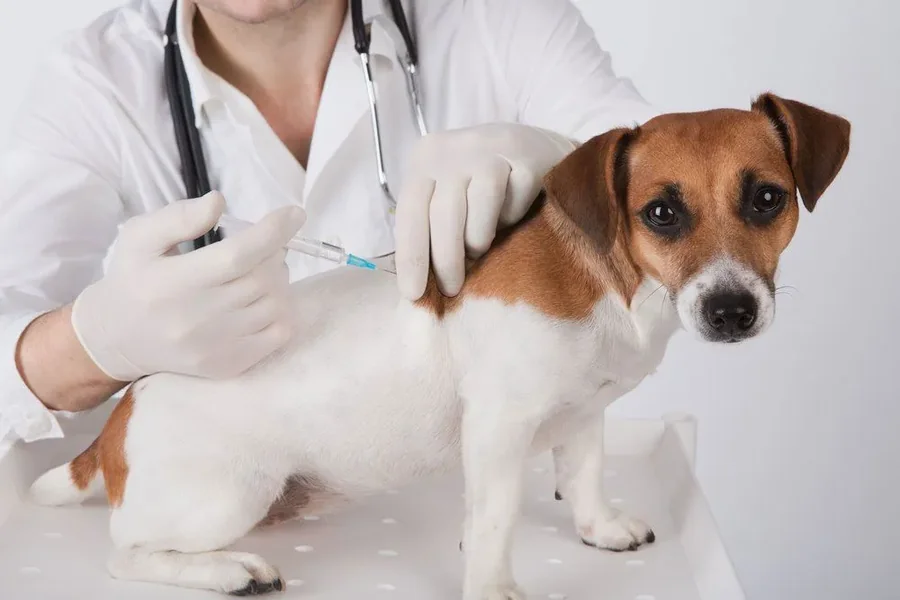
You want to do the right thing for your pet, but vaccine schedules can feel harder than they should, especially when you are trying to find guidance you can trust from a veterinarian in Studio City, CA. One visit turns into a list of names you do not recognize, a reminder card shows up months later, and suddenly you are wondering whether your dog or cat needs every shot, whether any were missed, and how much all of this is going to cost. That stress is common. Pets do not come with a simple manual, and vaccine decisions often land on you when you are already juggling food, grooming, behavior, and surprise health issues.
A strong vaccination plan at an animal hospital gives you structure. It is not just a set of injections. It is a system that looks at your pet’s age, lifestyle, medical history, and risk of exposure, then builds a schedule that protects them without treating every pet the same. That is where veterinary vaccination programs earn their value. They replace guesswork with a plan.
Veterinary hospitals build vaccination programs around risk, age, and daily life
Puppies and kittens need a series of vaccines because their immune systems are still developing, and the protection they get from their mother fades over time. Adult pets may need boosters, but not always on the same timeline. A pet that stays indoors has a different risk profile than one that goes to boarding, daycare, dog parks, grooming salons, or spends time outdoors hunting or roaming.
This is where owners often get stuck. You may hear one person say indoor cats barely need vaccines, while another insists every pet needs everything, every year. The truth sits in the middle. Hospitals sort core vaccines from lifestyle based vaccines, then match those recommendations to the animal in front of them. For cats, the Cornell Feline Health Center vaccination guidance outlines how age, health, and exposure shape those choices.
The pressure gets worse when a pet has a missed appointment or an unknown history. Maybe you adopted a rescue and records are incomplete. Maybe life got busy and a booster slipped by. Maybe your senior pet has a chronic condition and you are worried about safety. A hospital handles those situations by reviewing prior records, checking for gaps, and deciding whether your pet can continue the schedule or should restart part of it. That kind of judgment matters because overvaccinating and undervaccinating both carry risk.
Good hospitals also use the vaccine visit to catch other issues early. A pet may come in for routine shots and leave with treatment for ear disease, dental pain, weight loss, skin irritation, or a heart murmur that had gone unnoticed. Preventive care works best when vaccines are part of a larger wellness plan, not a one time errand.
Animal hospitals reduce errors by tracking timing, records, and follow up care
Vaccine protection depends on timing. Give a dose too early, too late, or without finishing the series, and the result may not be what you expected. That is one reason hospital based care matters. Staff track due dates, lot numbers, manufacturer details, reactions, and booster intervals. If your pet ever needs proof for boarding, travel, grooming, training classes, or local licensing, those records are already in place.
You also get a safer process if your pet has had a reaction before. A hospital can flag the chart, adjust the plan, separate vaccines across visits, monitor after administration, and decide whether another option makes more sense. That level of oversight is hard to recreate outside a medical setting.
For owners, the financial side is real. Preventive visits cost money, and when several vaccines come due at once, the total can sting. The harder truth is that preventable disease usually costs more. Treatment for parvovirus, severe respiratory infection, or complications from rabies exposure can become far more expensive than staying current on care. Hospitals help by spacing care when medically appropriate, combining services during one visit, and explaining which vaccines are core and which are based on lifestyle.
Many teaching and community based practices also show how structured preventive care works in the real world. Cornell’s small animal community practice is one example of a hospital setting where wellness, diagnostics, and follow up care are tied together rather than handled in isolation.
Vaccination services at a veterinary hospital offer clearer protection than one size fits all care
Pets benefit most when vaccine decisions are individualized. A young indoor cat may need core protection and periodic review, while a dog that hikes, boards, and meets other dogs often may need broader coverage. A hospital can explain why one pet needs leptospirosis or bordetella and another may not. That kind of reasoning lowers confusion and builds trust.
| Approach | What It Includes | Main Benefit | Main Risk |
|---|---|---|---|
| Hospital based vaccine plan | Physical exam, record review, risk assessment, scheduled boosters, reaction monitoring | Care is matched to your pet’s age, health, and lifestyle | Higher upfront visit cost |
| Shot only approach | Vaccination without a full preventive review | Fast and simple in the moment | Missed health issues, unclear timing, less tailored care |
| Delayed or inconsistent vaccination | Gaps in boosters or incomplete series | Lower short term spending | Reduced protection and higher disease risk |
The best pet vaccination programs are not built around fear. They are built around fit. Your pet’s world determines exposure risk, and your hospital should be able to explain each recommendation in plain language.
Clear next steps help you protect your pet without second guessing every choice
Gather your pet’s records. Bring vaccine history, adoption papers, prior lab work, and any reaction notes to your next visit. If records are incomplete, say so. That honesty helps the hospital create a safer plan.
Describe your pet’s real lifestyle. Tell the team whether your pet boards, hikes, meets unfamiliar animals, goes outdoors, travels, or lives with other pets. Vaccine recommendations only work when they reflect real exposure.
Ask for a written schedule. Leave the visit with due dates, core vaccines, optional vaccines, and follow up instructions. A written plan turns a confusing conversation into something you can actually use.
Keeping up with vaccines is not about being perfect. It is about staying ahead of problems before they become expensive, painful, or dangerous. A well run animal hospital gives you more than shots. It gives you a plan, records you can rely on, and a medical team that sees your pet as an individual. When you are ready, schedule a wellness visit and ask for a vaccine review that fits your pet’s life.