HVAC Service Network: Structure, Benefits and Operations
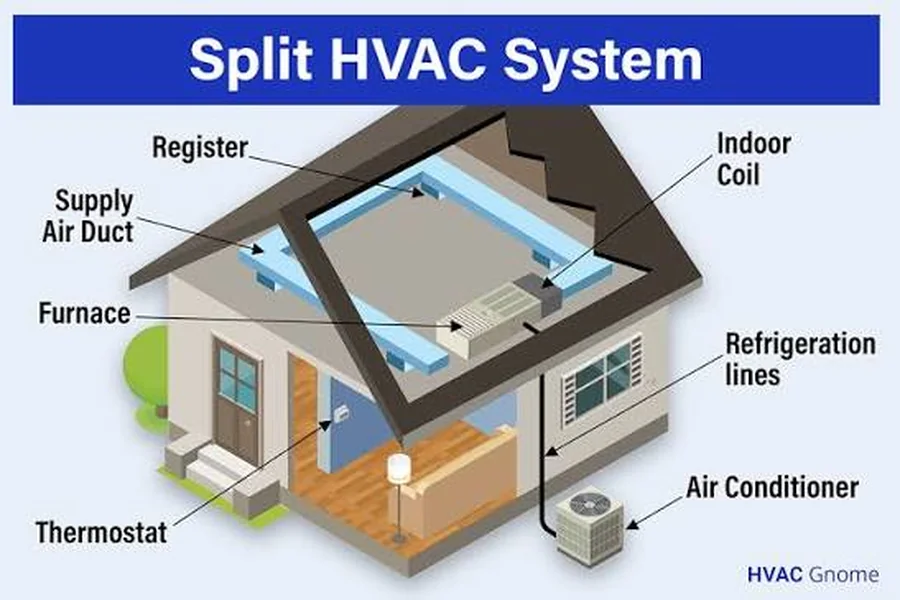
HVAC Service Network refers to a connected system of service providers, technicians, and companies that work together to deliver heating, ventilation, and air conditioning services efficiently. This network ensures that customers can access quick repairs, maintenance, installation, and emergency support through a coordinated system.
HVAC systems are essential for comfort in homes, offices, and industrial spaces. A well-organized service network helps reduce response time, improve service quality, and ensure consistent technical support across different locations.
This guide explains how HVAC service networks work, their structure, benefits, and why they are important for modern HVAC support systems.
What Is an HVAC Service Network?
An HVAC Service Network is a group of certified technicians and service providers connected through a centralized system or platform. It allows customers to access HVAC services quickly and efficiently.
It typically includes:
- HVAC companies
- Independent technicians
- Service coordinators
- Customer support teams
- Maintenance providers
The goal is to streamline HVAC service delivery.
How HVAC Service Networks Work
HVAC service networks operate through a structured workflow.
First, a customer request is received through a call center, app, or website. The system then assigns a nearby technician based on availability and expertise.
The technician visits the location, diagnoses the issue, and performs necessary repairs or maintenance. After completion, service feedback is recorded to ensure quality control.
Types of HVAC Service Networks
There are different types of HVAC service networks depending on their structure.
Local Service Networks
Operate within a specific city or region.
National Service Networks
Cover multiple regions or entire countries.
Franchise-Based Networks
Operate under a brand with standardized service quality.
Online Service Platforms
Connect customers with nearby HVAC technicians digitally.
Importance of HVAC Service Network
HVAC service networks play a key role in modern HVAC systems.
Faster Response Time
Customers get quick access to nearby technicians.
Improved Service Availability
Services are available across multiple locations.
Better Coordination
Technicians and companies work under a unified system.
Enhanced Customer Support
Centralized communication improves service experience.
Quality Assurance
Service standards are maintained across the network.
Services Provided in HVAC Service Networks
HVAC networks offer a wide range of services:
Repair Services
Fixing system faults and restoring performance.
Maintenance Services
Regular cleaning and inspection of HVAC systems.
Installation Services
Setting up new HVAC units and systems.
Emergency Services
Immediate response for system failures.
Consultation Services
Guidance on system upgrades and efficiency improvements.
Benefits of HVAC Service Network
Using a service network offers many advantages:
- Quick service response
- Wide technician availability
- Standardized service quality
- Reduced downtime
- Efficient scheduling
- Reliable customer support
- Cost-effective solutions
- Better system performance
These benefits improve overall HVAC service experience.
Challenges in HVAC Service Networks
Despite advantages, networks face some challenges:
Coordination Issues
Managing multiple technicians can be complex.
Service Delays
High demand may affect response time.
Quality Variations
Not all technicians deliver equal service quality.
Technical Limitations
Some issues require specialized expertise.
Tools Used in HVAC Service Networks
Technicians in networks use advanced tools:
- Diagnostic software
- Multimeters
- Refrigerant gauges
- Leak detectors
- Mobile service apps
- Scheduling systems
- Customer tracking platforms
These tools improve efficiency and accuracy.
When You Need HVAC Service Network Support
You should use HVAC service networks when:
- AC or heating system fails
- Emergency repair is needed
- Routine maintenance is required
- Installation services are needed
- Multiple service options are required
- Fast technician response is important
Networks ensure quick and reliable support.
Future of HVAC Service Networks
HVAC service networks are evolving with technology:
- AI-based scheduling systems
- Smart diagnostic tools
- Mobile app-based service booking
- Predictive maintenance alerts
- IoT-enabled HVAC monitoring
These advancements improve efficiency and customer experience.
Final Thought
HVAC Service Network is a modern and efficient system that connects customers with skilled technicians and service providers. It ensures faster response times, better coordination, and improved HVAC service quality across different regions.
As technology continues to evolve, HVAC service networks will become even more advanced, offering smarter scheduling, faster diagnostics, and more reliable service delivery. This makes them an essential part of modern HVAC maintenance and support systems.
FAQs
What is an HVAC service network?
An HVAC service network is a system that connects technicians and companies to provide HVAC services efficiently.
How does an HVAC service network work?
It assigns nearby technicians to customer requests for repair or maintenance.
What services are included in HVAC networks?
Repair, maintenance, installation, emergency support, and consultation services.
Why are HVAC service networks important?
They provide faster response times and better service coordination.
Can I book HVAC services through a network?
Yes, most networks allow booking via phone, app, or website.
Are HVAC service networks reliable?
Yes, they ensure standardized service and professional support.