Is Becoming a Radiology Tech Worth It: Complete Guide
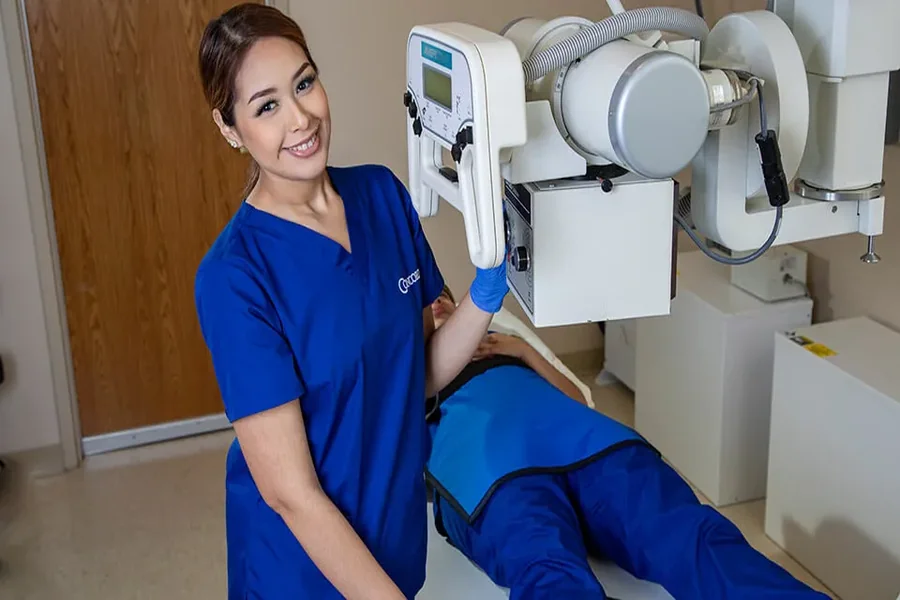
Becoming a Radiology Tech Worth It is one of the questions which can be answered by many of the aspiring healthcare professionals upon thinking about their career choice. Radiologic technologists (radiology technicians) are an important part of the medical team, because they conduct imaging tests; these tests include X-rays, CT scans, MRIs, and mammograms. These imaging devices help the doctors to diagnose injuries, sickness, and other health conditions easily and efficiently.
This can be a rewarding and fulfilling career to the healthcare and technology enthusiasts in terms of finances and personal fulfillment. Nevertheless, consideration of education needs, job description, pay-potential, work conditions, and professional development ought to be considered in deciding whether to be a radiology technologist or not. This article is going to make you realize whether it is worth becoming a Radiology Tech and what to expect of this profession.
What a Radiology Tech Does
Radiology techs are employees who are trained to conduct diagnostic imaging processes. Their main duty is to use sophisticated imaging devices to take images about the internal organs of patients. Physicians use these images to diagnose and keep track of any medical conditions.
Besides running machines, radiology techs pre-treat patients prior to the examination, clarify about the procedures, position and make sure patients are comfortable. They also observe high standards of safety in order to restrict radiation doses, their own as well as the patients. Other important tasks include the maintenance of the imaging equipment, documentation of the procedure, and cooperation with doctors and nurses.
These responsibilities are important to consider when considering the question of Is Becoming a Radiology Tech Worth It since the work involves both technical expertise, care with patients, and detail.
Education and Certification Requirements
Majority of the candidates to become a radiology tech are associate degree graduates of radiologic technology in an accredited institution. The program lasts a typical of two years and encompasses the study of anatomy, patient care, radiographic procedures, radiation safety and medical ethics.
Once they have graduated, the graduates must acquire certification with American Registry of Radiologic Technologists (ARRT). Licensure is also required in some states and this can include other exams or continuing education.
The optional bachelor degree programs are offered in case of pursuing the opportunities of gaining high-level knowledge and professional progress. Expert training, e.g. MRI training, CT scanning training, nuclear medicine training, etc., can enhance the likelihood of employment and income.
Educational investment and certification are some of the factors that should be considered in answering the question of whether Is Becoming a Radiology Tech Worth It. Nevertheless, these qualifications are the basis on which one can act safely and efficiently in a healthcare environment.
Salary and Job Outlook
One of the greatest questions that anyone would consider as an answer to the question, Is Becoming a Radiology Tech Worth It? is the salary. The U.S. Bureau of Labor Statistics shows that radiologic technologists have a competitive median annual salary and have a chance to make higher wages based on experience, specialization and employment in high demand fields.
Employment opportunities are good since the healthcare sector is expanding, and the demand of diagnostic imaging is also rising. The demand of radiology techs is in hospitals, outpatient care centers, clinics, and specialized imaging centers. According to the projections conducted by Bureau of Labor Statistics, job opportunities of radiologic technologists are expected to increase at a rate that is above average in the next few years.
The aspect of the competitive rates, stable demand, and flexible working conditions all add to the reasons why a large number of professionals find this work direction to be worthwhile.
Pros of Becoming a Radiology Tech
The benefits to taking up radiology tech are numerous. Among the most prominent ones, there is the possibility to create a meaningful change in patient care. Radiology techs are known to offer critical diagnostic services to the physicians in order to diagnose medical conditions early in advance, a move that can save lives.
The job is also stable and well compensated in the career. Numerous jobs offer health insurance, vacation time and retirement packages. They can work any number of hours depending on their work schedules; full time, part-time or even weekend shifts, which allow them to find work-life balance.
Moreover, radiology technologists have an opportunity to progress and become specialized in such fields as MRI, CT, mammography, or interventional radiology. Professional certifications and continuous learning expand one earning potential and hold chances to become a leader.
The field also enables the techs to operate under the latest technology, a blend of health care and advanced imaging technology which can be thrilling but also intellectually stimulating.
Challenges and Considerations
Although it has numerous advantages, we can also mention difficulties that can be encountered when assessing whether it is worth becoming a Radiology Tech. A job may be physically demanding as long hours of standing, lifting or positioning of patients may be involved.
Small doses of radiations are also subjected to radiology techs, but serious safety measures reduce the risk. Emotional issues are another aspect that must be taken into account because the techs can deal with patients with severe injuries or life-threatening diseases.
There is also the prevalence of shift work such as during nights, weekends and holidays especially in hospitals. The radiology techs also need to keep up with the changes in technology and the requirements of continuing education, and the latter may need continuous work and investment.
Career Growth and Specialization Opportunities
The possibility of career development is one of the best arguments in support of the idea that Is Becoming a Radiology Tech Worth It. Radiology technologists are able to specialize in a higher-level certification in MRI, CT, sonography, nuclear medicine, and mammography. These professional positions are usually well paid with more responsibilities and they have more job security.
The radiology technologist can also become a supervisor or administrator and/or work at imaging department or in training new technologists. Other professionals move to the teaching profession and become educators of radiology courses in colleges and technical schools, others move to medical sales or consulting.
Career growth and competitiveness in the fast changing healthcare sector depend heavily on the continuation education and certifications. Ordinary radiology technologic job can be turned into a high pay and high demand job through specialization and professional growth.
Work Environment and Lifestyle
Hospitals, outpatient imaging center, clinics, and private practices are some of the health care facilities where radiology techs are employed. The environment may be a high paced emergency room to a simple diagnostic center.
It is possible to have the work-life balance, particularly when techs work in an outpatient or any clinic with regular hours. Hospitals might need on-call shifts or night shifts that may affect individual timetables.
Communication skills and empathy are also important as it is a job that involves frequent interaction with the patient. A combination of technical work and patient care is satisfying to many techs and this helps them achieve job satisfaction and a good life in general.
Final Thought
Becoming a Radiology Tech Worth It is a question that will rely on your career objectives, interests, and dedication to the healthcare industry. The occupation has good balance in terms of employment security, good salary, satisfying work, and specialization and promotions.
Although it has physical, emotional, and educational requirements, radiology tech jobs will be very satisfying to the individuals willing to work with technology, assist patients, and pursue a long-term career in the healthcare sector. This career can make a person financially secure and personally fulfilled by means of appropriate education, certifications, and professional growth.
FAQs
What does a radiology tech do?
A radiology tech performs diagnostic imaging procedures, prepares patients, operates imaging machines, and assists in medical diagnoses.
How long does it take to become a radiology tech?
It typically takes about two years to complete an associate degree program plus time for certification and licensure.
Is Becoming a Radiology Tech Worth It financially?
Yes, radiology techs earn competitive salaries and enjoy strong job prospects in the healthcare field.
What are the main challenges of this career?
Challenges include physical demands, exposure to radiation, emotionally stressful situations, and shift work.
Can radiology techs specialize?
Yes, specializations include MRI, CT, mammography, sonography, and nuclear medicine, increasing earning potential and career options.
Do radiology techs need certification?
Yes, most positions require ARRT certification, and some states require additional licensure.
Is there room for career growth?
Yes, radiology techs can advance into specialized imaging, management, education, or consulting roles.
Do radiology techs work in hospitals only?
No, they can work in hospitals, clinics, outpatient centers, private practices, and research facilities.
Does the job involve patient interaction?
Yes, radiology techs frequently interact with patients, explaining procedures, ensuring comfort, and assisting during imaging exams.
What is the average salary of a radiology tech?
Salaries vary by location, experience, and specialization, but the median annual salary is competitive within healthcare professions.
Are radiology tech jobs in demand?
Yes, employment for radiology techs is projected to grow faster than average due to the increasing need for diagnostic imaging.
Can I work part-time as a radiology tech?
Yes, part-time and flexible schedule options are available, especially in outpatient and clinic settings.
What are the benefits of being a radiology tech?
Benefits include competitive pay, job stability, career growth, professional development, and the satisfaction of contributing to patient care.
Do radiology techs need continuing education?
Yes, continuing education is required to maintain certifications and stay updated on technological and procedural advancements.
Is this career suitable for someone interested in technology?
Absolutely. Radiology techs work with advanced imaging equipment and continually learn new technologies, making it ideal for tech-savvy individuals.