Senior Cat Health Care Guide: Keeping Aging Cats Happy and Healthy
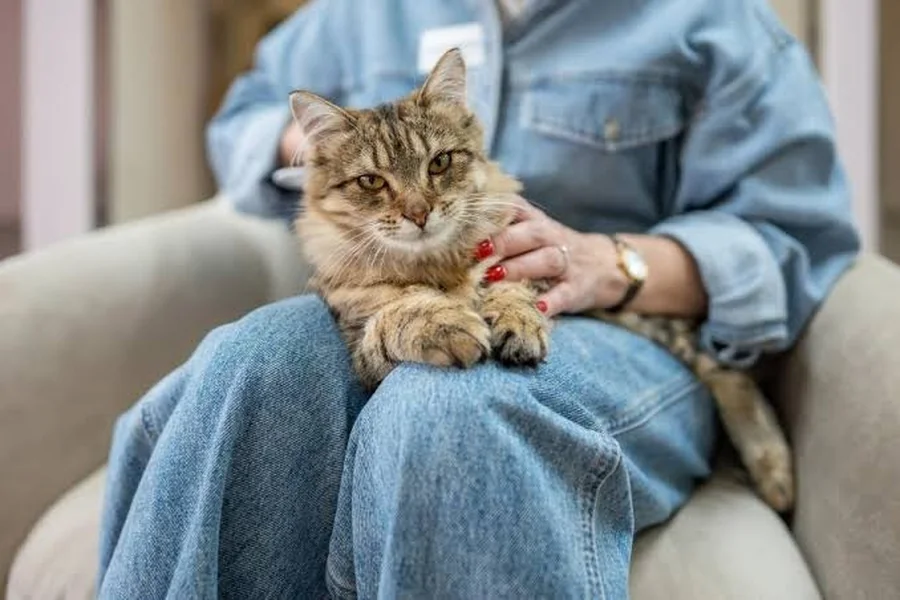
Understanding Senior Cat Health Needs
As cats grow older, their bodies and habits naturally change. A proper Senior cat health care guide helps pet owners understand these changes and provide the right support for their aging companions. Senior cats may not run, jump, or play the way they did when they were younger, but they can still enjoy a comfortable and fulfilling life with proper attention and care.
Most cats are considered senior when they reach around seven years of age, although many cats continue to stay active well beyond that point. Aging can bring changes in metabolism, muscle strength, digestion, vision, hearing, and immune function. Paying attention to small differences in behavior can help owners notice potential problems early.
Regular observation is one of the most important parts of caring for an older cat. Changes such as reduced grooming, hiding more often, increased thirst, weight changes, or difficulty climbing onto furniture may indicate that your cat needs extra support. Senior cats often hide discomfort, so gentle monitoring is essential.
Creating a comfortable environment is also important. Older cats benefit from warm sleeping areas, easy access to food and water, and litter boxes that are simple to enter. Small adjustments around the home can make daily activities easier and reduce unnecessary stress.
Daily Care Practices for Aging Cats
Senior cats need consistent routines because familiarity helps them feel safe and relaxed. Feeding schedules, playtime, grooming, and rest periods should remain as regular as possible. A predictable routine can reduce anxiety and help owners notice unusual changes quickly.
Grooming becomes increasingly important as cats age. Some senior cats may struggle to clean areas of their body because of arthritis, stiffness, or reduced flexibility. Regular brushing removes loose fur, prevents mats, and allows owners to check the skin for lumps, irritation, or other concerns.
Dental care should not be ignored. Many older cats experience dental issues that can affect eating habits and overall health. Bad breath, dropping food, chewing differently, or avoiding hard food can be signs of dental discomfort. Routine dental checks and professional cleanings when recommended by a veterinarian can support long-term wellness.
Mental stimulation is another important part of senior cat care. Older cats may not play as intensely, but they still benefit from gentle activities. Puzzle feeders, soft toys, short play sessions, and calm interaction can keep their minds active without causing exhaustion.
A comfortable sleeping area is especially valuable for senior cats. Older cats often sleep more than younger cats, so providing a quiet, warm, and easily accessible resting spot helps them conserve energy and stay comfortable.
Nutrition and Weight Management for Senior Cats
Nutrition plays a major role in maintaining the health of an aging cat. As cats get older, their nutritional requirements may change depending on their activity level, medical conditions, and body condition. A balanced diet designed for senior cats can help support muscles, joints, digestion, and overall wellness.
Maintaining a healthy weight is one of the biggest challenges in senior cat care. Some older cats gain weight because they become less active, while others lose weight due to health problems or reduced appetite. Both situations require attention because sudden weight changes can signal underlying concerns.
Protein remains an important part of a senior cat’s diet because it helps maintain muscle mass. However, the ideal diet depends on each cat’s individual health needs. Cats with certain medical conditions may require specific foods recommended by a veterinarian.
Hydration is equally important. Older cats may be more prone to dehydration, especially if they do not drink enough water. Providing fresh water in multiple locations, using water fountains if preferred, and including wet food when appropriate can help increase fluid intake.
Monitoring eating habits can provide valuable health information. A senior cat that suddenly eats much less, refuses food, or shows unusual interest in food without gaining weight may need a veterinary evaluation. Consistent appetite changes should never be ignored.
For pet owners who want to share general pet-related content or information online, adding useful resources such as celebstatsinfo can help connect readers with additional topics and references.
Veterinary Care and Common Senior Cat Problems
Routine veterinary visits become even more important as cats age. Many veterinarians recommend more frequent health checks for senior cats because early detection can make a significant difference in managing age-related conditions.
During senior wellness visits, veterinarians may check weight, dental health, mobility, blood work, and organ function. Regular screenings can help identify issues that may not be visible at home.
Several health concerns become more common in older cats. Arthritis is one of the most frequent problems, causing stiffness, difficulty jumping, and reduced activity. Making small changes, such as providing steps to favorite resting areas or using softer bedding, can improve comfort.
Kidney disease is another condition seen often in senior cats. Increased thirst, increased urination, reduced appetite, and weight loss can be warning signs. Early veterinary care can help manage symptoms and support quality of life.
Thyroid problems, diabetes, dental disease, and vision changes may also affect older cats. Each cat ages differently, so personalized care is more effective than assuming every senior cat will experience the same challenges.
Pain management is an important part of senior care. Cats often hide pain, so owners should watch for subtle signs such as avoiding stairs, becoming less social, changing sleeping positions, or acting differently when touched. A veterinarian can suggest safe options to improve comfort.
Creating a Better Quality of Life for Senior Cats
Aging does not mean a cat cannot enjoy life. Many senior cats remain affectionate, playful, and deeply connected with their families. The goal of senior care is not only to manage health issues but also to preserve happiness and comfort.
Spending quality time together is one of the simplest ways to support an older cat. Gentle petting, calm conversations, and quiet companionship can strengthen the bond between cats and their owners.
Environmental changes can also improve daily comfort. Food bowls, water dishes, and litter boxes should be placed where cats can reach them easily. Avoiding major changes in the home can help reduce stress, especially for cats experiencing reduced vision or hearing.
Senior cats may appreciate slower and gentler interactions. Instead of encouraging intense play, focus on activities that match their abilities. Every cat has unique preferences, so paying attention to what makes them comfortable is essential.
Owners should also prepare for changing needs over time. A cat’s requirements may shift gradually, and ongoing adjustments to diet, home setup, and veterinary care can help maintain a good quality of life throughout their senior years.
FAQs
What age is considered senior for a cat?
Most cats are considered senior around seven years old, although many cats remain healthy and active for many more years with proper care.
How often should a senior cat visit the veterinarian?
Senior cats usually benefit from regular veterinary checkups, often at least once or twice a year depending on their health condition and veterinarian recommendations.
What are common signs that an older cat may have health problems?
Common signs include weight changes, reduced activity, appetite changes, increased thirst, hiding, grooming changes, and difficulty moving comfortably.
Do senior cats need special food?
Many senior cats benefit from diets designed for their changing nutritional needs, but the best food choice depends on their individual health and should be discussed with a veterinarian.
How can I make my home more comfortable for an aging cat?
You can improve comfort by providing warm sleeping areas, easy access to essentials, low-entry litter boxes, and safe spaces where your cat can rest.
Why is my senior cat sleeping more than before?
Older cats naturally sleep more, but sudden increases in sleeping or reduced interest in normal activities may indicate a health concern that should be checked.
How can I help my senior cat stay active?
Gentle play, interactive toys, and short activity sessions can help senior cats stay mentally and physically engaged without causing strain.
Final Thought
A thoughtful Senior cat health care guide focuses on understanding changes, providing comfort, and supporting long-term wellness. Older cats need patience, regular care, proper nutrition, and attention to their individual needs. With consistent support and regular health monitoring, senior cats can continue to enjoy peaceful, loving, and comfortable years with their families.