Simple Haircare Routines for Better Hair: Easy Tips
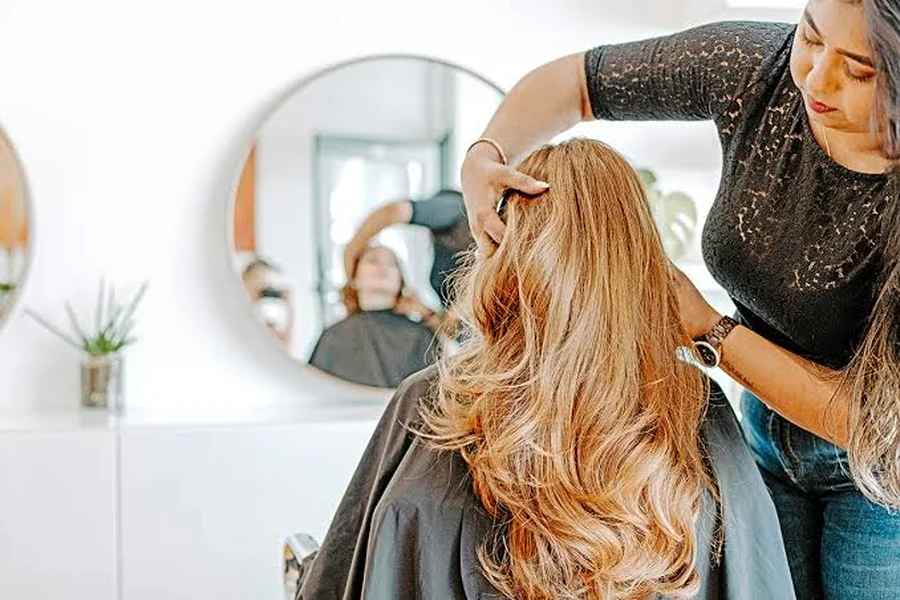
Healthy-looking hair does not always require an expensive collection of products or a complicated routine. Consistent basic care can make a noticeable difference in how your hair looks, feels, and behaves. The key is understanding what your hair needs and creating habits that are easy to maintain.
Simple haircare routines for better hair can include gentle washing, regular conditioning, proper drying, careful styling, and scalp care. Lifestyle and self-care ideas from lifenzia can also complement a practical approach to personal grooming and everyday wellness.
Hair texture, thickness, length, and condition vary from person to person, so there is no universal routine. What works for someone with fine, oily hair may not be suitable for someone with thick, dry, or curly hair. Building your routine around your own needs can make hair care much more effective.
Choose a Washing Routine That Fits Your Hair
How often you wash your hair depends on several factors, including scalp oiliness, hair texture, lifestyle, and the products you use. Some people may need frequent washing, while others can comfortably go longer between washes.
When shampooing, focus on cleansing the scalp rather than aggressively rubbing the lengths of the hair. The scalp is where oil, sweat, and product buildup usually accumulate. Gently massaging shampoo into the scalp can help clean it without unnecessary friction.
Using very hot water may leave the hair and scalp feeling dry. Lukewarm water can be a more comfortable option for regular washing. Rinse thoroughly to ensure that shampoo and other products are not left behind.
If your hair becomes unusually dry or your scalp feels irritated, consider whether your current washing routine or products may be too harsh.
Make Conditioning Part of Your Routine
Conditioner helps improve the feel and manageability of hair after washing. It can make strands feel smoother and easier to detangle, which may reduce unnecessary pulling and breakage.
Apply conditioner mainly to the lengths and ends, especially if your scalp tends to become oily. People with dry, thick, curly, or chemically treated hair may benefit from more intensive conditioning.
Leave the product on for the amount of time recommended on the packaging before rinsing. You do not necessarily need a large amount; using an appropriate quantity based on your hair length and thickness is often enough.
A weekly deep-conditioning treatment can also be useful for hair that feels particularly dry or damaged. However, the right frequency depends on your hair’s condition and the products being used.
Take Better Care of Your Scalp
Healthy hair care begins with the scalp. Keeping it clean and comfortable can support a better overall grooming routine.
Avoid scratching the scalp aggressively, even when it feels itchy. Excessive scratching can cause irritation. Instead, consider whether product buildup, dryness, or another issue may be responsible for persistent discomfort.
Regular brushing or combing can help distribute natural oils along the hair, but technique matters. Use gentle movements and avoid pulling through stubborn tangles.
If you have ongoing scalp problems such as significant flaking, redness, pain, or persistent itching, consider seeking advice from a dermatologist or another qualified healthcare professional rather than repeatedly changing hair products.
Reduce Damage From Heat and Styling
Frequent heat styling can make hair more vulnerable to dryness and breakage. Hair dryers, straighteners, and curling tools can be useful, but using them thoughtfully can help reduce unnecessary damage.
Whenever possible, allow your hair to dry naturally for part of the process. When using heat tools, avoid excessively high temperatures and follow the instructions for the device. A suitable heat-protectant product may also help reduce damage.
Tight hairstyles can create additional tension, especially when worn repeatedly. If you regularly wear ponytails, buns, braids, or other pulled-back styles, vary their placement and avoid tying them excessively tightly.
Hair accessories should also be comfortable and gentle. Avoid anything that repeatedly catches or pulls on the strands.
Build Healthy Hair Habits Into Daily Life
Everyday habits can influence the overall condition and appearance of your hair. A balanced diet containing adequate protein, vitamins, minerals, and other nutrients supports general health, while staying adequately hydrated is also important for overall well-being.
Sleep and stress management are equally valuable parts of a healthy lifestyle. Long periods of stress can affect many aspects of the body, and noticeable changes in hair should not automatically be blamed on shampoo or conditioner.
Protect your hair from environmental exposure when appropriate. If you spend significant time outdoors, wearing a hat can help shield your hair and scalp from direct sunlight. After swimming, rinsing your hair can also help remove chlorine or saltwater residue.
Keeping your pillowcases, brushes, combs, and other hair tools clean is another simple habit that can support good grooming.
Choose Products Based on Your Hair Type
Product selection becomes easier when you understand your hair. Fine hair may become weighed down by heavy formulas, while thick or dry hair may benefit from richer conditioning products.
People with curly or textured hair often have different moisture and styling needs than those with straight hair. Rather than choosing products solely because they are popular, consider ingredients, texture, and how your hair responds after use.
Avoid changing several products at the same time. If you introduce one new product at a time, it becomes easier to understand whether it is actually helping.
Pay attention to warning signs such as persistent dryness, excessive oiliness, irritation, or increased breakage. Your routine should leave your hair manageable and your scalp comfortable.
Final Thought
Simple haircare routines for better hair are built around consistency rather than complexity. Gentle washing, regular conditioning, scalp care, careful styling, and sensible product choices can create a strong foundation for healthy-looking hair.
You do not need to follow every new hair trend or purchase a large collection of products. Start with the basics, pay attention to how your hair responds, and adjust your routine when necessary. With a little patience and regular care, maintaining attractive, manageable hair can become an easy part of your everyday routine.
FAQs
How often should I wash my hair?
The ideal washing frequency varies by hair type, scalp condition, lifestyle, and personal preference. Wash as often as needed to keep your scalp clean and comfortable without causing excessive dryness.
Is conditioner necessary after every shampoo?
Conditioner can help improve softness, manageability, and detangling after washing. How often you use it depends on your hair type and condition.
How can I reduce hair damage from heat styling?
Use lower heat settings when appropriate, avoid excessive heat exposure, allow hair to partially air-dry, and consider using a suitable heat-protectant product.
What is the best way to care for a dry scalp?
Use gentle hair products and avoid excessive washing or scratching. If dryness or itching persists, professional advice can help identify the underlying cause.
Can diet affect hair health?
A balanced diet provides nutrients needed for overall health, including healthy hair growth and maintenance. Adequate protein and a varied intake of nutrient-rich foods are important.
How can I prevent hair breakage?
Handle wet hair gently, avoid excessive heat and tight hairstyles, detangle carefully, and use conditioning products that improve manageability.
Should I change my hair products frequently?
Not necessarily. If your current products work well and your hair and scalp remain comfortable, there may be no reason to change them frequently.