How Animal Clinics Evaluate Persistent Bad Breath In Dogs And Cats
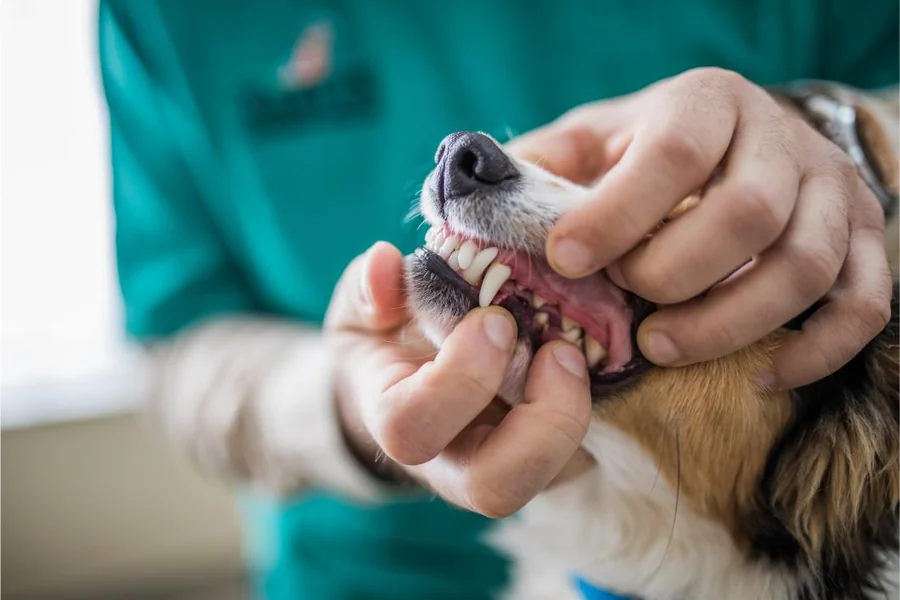
You noticed the smell first. Maybe it hit you during a cuddle, or when your dog yawned in the car, or when your cat came close for a head bump and the odor was hard to ignore. Bad breath in pets is easy to dismiss at first, because many people assume it comes with age or dry food or “just being a pet.” At an Edmonton animal hospital, persistent bad breath is often seen as a sign that something more serious may be going on. When the smell sticks around, gets worse, or starts to come with drooling, eating changes, or pawing at the mouth, it stops feeling minor.
How animal clinics evaluate persistent bad breath in dogs and cats usually comes down to one thing. They are trying to find out whether the odor is coming from the mouth itself or from a deeper medical problem. Sometimes the cause is tartar and gum disease. Sometimes it is a broken tooth, an oral mass, kidney disease, diabetes, or a problem higher up in the throat or digestive tract. Persistent odor is a symptom, not a diagnosis, and that is why an animal clinic bad breath evaluation for pets needs more than a quick look.
Persistent pet bad breath often points to more than a dirty mouth
You may already have tried the simple fixes. Dental chews, water additives, brushing when your pet allows it, maybe a new food. If the smell keeps coming back, there is usually a reason. Plaque hardens into tartar, tartar irritates the gums, and inflammation creates pockets where bacteria thrive. That cycle can become painful long before a pet shows obvious signs.
Dogs often keep eating even with severe dental disease, which throws owners off. Cats tend to hide discomfort even more. A pet can have infected teeth, gum recession, tooth root abscesses, or painful resorptive lesions and still act mostly normal at home. That is why owners often feel blindsided when a clinic finds advanced disease after what seemed like “just bad breath.”
Clinics also look beyond the mouth when the odor has a distinct character. A sweet or fruity smell can raise concern for diabetes. An ammonia like smell can be linked to kidney trouble. Rotten odor can come from infected tissue, trapped debris, or severe periodontal disease. Cornell’s feline health team notes that bad breath can be a sign of illness in cats, not just a grooming or food issue.
Animal clinic exams for bad breath in pets focus on the source of the odor
A clinic visit usually starts with the history. The team will ask when you first noticed the smell, whether it changed suddenly or slowly, and whether your pet has trouble chewing, dropping food, drooling, losing weight, or bleeding from the mouth. They may ask about home dental care, diet, chew habits, and any history of vomiting or chronic disease. These details matter because they help separate a mouth problem from a body wide problem.
The physical exam comes next. A veterinarian will inspect the teeth, gums, tongue, palate, lips, and jaw as much as your pet can safely tolerate while awake. They are checking for tartar buildup, gingivitis, loose teeth, oral ulcers, masses, foreign material, and signs of pain. They also assess hydration, body condition, lymph nodes, and organ health because chronic bad breath can connect to more than dentistry.
Many cases need testing beyond the awake exam. Bloodwork and urinalysis can look for diabetes, kidney disease, infection, and other metabolic causes. If the mouth appears to be the source, a full dental assessment under anesthesia is often the next step. That allows probing under the gumline and dental X rays, which matter because much of dental disease sits below what you can see. Cornell’s dentistry and oral surgery service explains how advanced oral exams and imaging help uncover hidden disease that a surface check can miss. You can read more about that care through veterinary dentistry and oral surgery services.
Home observation and professional evaluation do different jobs
| Approach | What it can help with | Limits | When it fits |
|---|---|---|---|
| Home mouth checks | Spotting odor, drool, red gums, broken teeth, eating changes | You cannot see under the gumline or assess pain fully | Daily or weekly monitoring |
| Dental chews and brushing | Reducing plaque, slowing tartar buildup, supporting routine care | Will not fix infected roots, severe tartar, oral masses, or systemic illness | Prevention and maintenance |
| Awake clinic exam | Identifying visible disease and deciding what tests are needed | Misses hidden disease below the gumline in many pets | First step for persistent odor |
| Dental procedure with X rays | Finding deep infection, resorptive lesions, retained roots, bone loss | Requires anesthesia and added cost | When oral disease is suspected or confirmed |
| Bloodwork and urinalysis | Checking for kidney disease, diabetes, infection, metabolic problems | Does not replace an oral exam | When odor pattern or exam suggests medical illness |
This is where cost worries often come in. You may wonder whether a cleaning is being recommended too quickly. In truth, the bigger expense often comes from waiting. Mild plaque is cheaper to manage than extractions, advanced imaging, treatment for oral infection, or care for complications tied to untreated disease. A proper veterinary evaluation for chronic bad breath gives you a clearer picture of what is urgent, what can wait briefly, and what prevention should look like after treatment.
Three steps you can take right away
- Track the pattern. Write down when you notice the odor, whether it is constant or comes and goes, and any changes in appetite, chewing, drooling, weight, thirst, or energy. A short video of your pet eating can also help if they are chewing on one side or dropping food.
- Look without forcing. If your pet is calm, gently lift the lip and check for red gums, thick tartar, broken teeth, swelling, or blood. Stop if your pet resists or seems painful. Pushing through can lead to bites and more stress, especially in cats.
- Book an animal clinic visit before it escalates. Persistent odor that lasts more than a few days, or appears with drooling, pain, facial swelling, bleeding, or appetite changes, deserves an exam. This is the safest way to sort out whether the problem is dental, oral, or systemic.
Bad breath in dogs and cats deserves a closer look
You are not overreacting by paying attention to a smell that does not seem right. Pet owners often catch oral disease early simply because they noticed one small change and trusted it. That matters. A lingering odor can point to treatable dental disease, but it can also be the first clue to something more serious.
An animal clinic can sort through the cause, confirm what is happening below the surface, and help you make a plan that protects your pet’s comfort and health. If your dog or cat has persistent bad breath, schedule an exam with an animal clinic and get answers before a manageable problem turns into a painful one.