Natural Healthy Foods for Better Everyday Nutrition
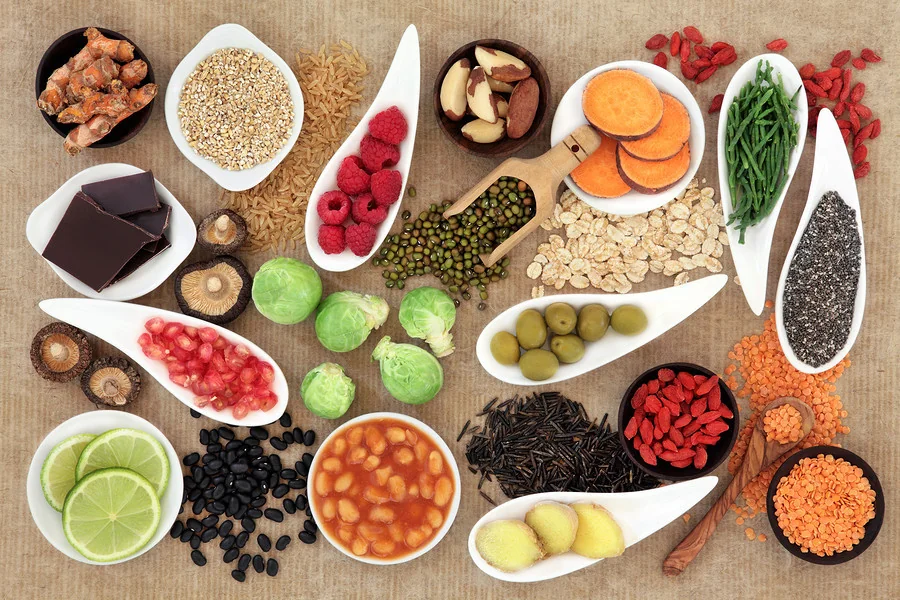
Why Natural Healthy Foods Matter
Natural Healthy Foods can make it easier to build a balanced eating pattern based on simple, nutrient-rich ingredients. Foods such as fruits, vegetables, whole grains, legumes, nuts, seeds, eggs, fish, and minimally processed foods can provide important nutrients that support everyday health.
Eating naturally does not mean that every food must be completely unprocessed. Many nutritious foods go through basic preparation before reaching your plate. The main goal is to focus on foods that provide useful nutrients while limiting excessive amounts of added sugar, sodium, and highly processed ingredients.
A varied diet is also important because different foods provide different nutrients. Vegetables may provide vitamins and fiber, legumes can provide protein and minerals, while nuts and seeds can add healthy fats and other nutrients.
Healthy food choices work best when they fit your lifestyle. You do not need complicated recipes or expensive specialty products to create nutritious meals. Simple ingredients prepared in practical ways can support long-term wellness.
Fruits and Vegetables for Everyday Nutrition
Fruits and vegetables are an important part of a balanced diet because they provide vitamins, minerals, fiber, and naturally occurring plant compounds. Eating a variety of colors can help increase the range of nutrients in your meals.
Leafy greens such as spinach, kale, lettuce, and other vegetables can be used in salads, soups, sandwiches, omelets, and cooked dishes. They can add volume and nutrients without making meals overly complicated.
Colorful vegetables such as carrots, tomatoes, bell peppers, broccoli, cauliflower, and sweet potatoes can also make meals more varied. Roasting, steaming, grilling, or lightly sautéing vegetables can create different flavors and textures.
Fruits provide natural sweetness and can be convenient snacks. Apples, bananas, oranges, berries, grapes, peaches, and other seasonal fruits can be eaten on their own or added to yogurt, oatmeal, and other meals.
Frozen fruits and vegetables can also be practical choices. They are convenient to store and can make it easier to include produce when fresh options are unavailable or difficult to use quickly.
Instead of relying on fruit juices or highly sweetened fruit products, whole fruits are often a more useful everyday choice because they provide fiber along with their natural sweetness.
Protein, Whole Grains, and Healthy Fats
Protein is an important part of a nutritious diet. Eggs, fish, poultry, beans, lentils, tofu, yogurt, nuts, and seeds can provide protein and other valuable nutrients.
Legumes such as beans, chickpeas, and lentils are especially versatile. They can be used in soups, salads, curries, stews, grain bowls, and many other dishes. They can also be an affordable option for people who want more plant-based foods in their diet.
Whole grains can provide carbohydrates and fiber while contributing other nutrients. Oats, brown rice, barley, quinoa, and whole-grain bread are examples that can be included in meals according to personal preferences.
Healthy fats can come from foods such as avocados, nuts, seeds, and certain plant oils. These foods can add flavor and texture while contributing unsaturated fats and other nutrients.
Fish can provide protein and omega-3 fatty acids. Including a variety of seafood that fits your dietary needs can be part of a balanced eating pattern.
Combining these food groups can create satisfying meals. For example, a meal containing brown rice, beans, vegetables, and avocado can provide carbohydrates, protein, fiber, and healthy fats in one dish.
Simple Ways to Add More Wholesome Foods
You do not need to completely change your diet to eat more wholesome foods. Start by adding one nutritious ingredient to meals you already enjoy.
Add berries or sliced bananas to oatmeal. Include vegetables in eggs, sandwiches, soups, or pasta dishes. Replace some refined grains with whole-grain alternatives when practical. Add beans or lentils to rice dishes, salads, or soups for more protein and fiber.
Snacks can also be improved with simple choices. Fresh fruit, plain yogurt, nuts, seeds, boiled eggs, and vegetables with hummus can provide useful nutrients while remaining convenient.
Cooking at home can make it easier to control ingredients. You can choose how much salt, sugar, oil, and sauces are used in a recipe and adjust meals according to your preferences.
Simple cooking methods can help keep meals practical. Roasting vegetables, baking fish, steaming grains, preparing soups, and making basic salads can provide nutritious meals without complicated techniques.
Meal preparation is another useful strategy. Preparing grains, vegetables, beans, or protein sources ahead of time can make it easier to assemble healthy meals during busy days.
Creating Sustainable Healthy Eating Habits
The best nutrition habits are those you can maintain for a long time. Instead of following strict food rules, focus on creating a balanced routine that allows flexibility.
Planning meals before grocery shopping can help reduce unnecessary purchases and food waste. Check what you already have at home before buying new ingredients and build meals around foods that are affordable and useful.
Reading food labels can also help when choosing packaged products. Look at serving sizes, added sugar, sodium, fiber, protein, and ingredient lists. Not every packaged food is unhealthy, but understanding what you are buying can support better decisions.
Hydration should also be part of your daily routine. Water is a simple choice that supports many normal body functions. Fruits, vegetables, soups, and other water-rich foods can also contribute to fluid intake.
Try to make gradual improvements rather than expecting perfection. You might begin by adding vegetables to one meal each day, replacing a sugary drink with water, or choosing fruit as a regular snack.
If you have food allergies, a medical condition, or specific dietary needs, your eating pattern may require personalization. A qualified healthcare professional or registered dietitian can help you choose foods that are appropriate for your circumstances.
Final Thought
Natural Healthy Foods can provide a practical foundation for balanced nutrition and everyday wellness. Fruits, vegetables, whole grains, legumes, protein-rich foods, nuts, seeds, and healthy fats can all contribute useful nutrients when included as part of a varied eating pattern.
The goal is not to make every meal perfect or avoid every processed food. Instead, focus on choosing wholesome foods more often, preparing meals in simple ways, and building habits that fit your lifestyle.
With consistent choices, reasonable portions, adequate hydration, regular physical activity, and other healthy habits, you can create a sustainable approach to nutrition that supports your health and well-being over the long term.
FAQs
What are Natural Healthy Foods?
Natural Healthy Foods generally refers to wholesome foods that are minimally processed or naturally rich in nutrients, such as fruits, vegetables, whole grains, legumes, nuts, seeds, eggs, and fish.
What foods should I eat every day?
A balanced diet can include a variety of vegetables, fruits, whole grains, protein-rich foods, healthy fats, and adequate fluids. The exact combination can vary based on individual needs.
Are frozen fruits and vegetables healthy?
Yes, frozen fruits and vegetables can be convenient and nutritious options. They can make it easier to keep produce available throughout the year.
Are whole grains better than refined grains?
Whole grains generally contain more fiber and nutrients than refined grains. Including whole-grain options can be a useful part of a balanced eating pattern.
Can natural foods help with energy?
A balanced diet that includes carbohydrates, protein, healthy fats, vitamins, minerals, and adequate fluids can support the body’s normal energy needs.
Do I need to avoid processed foods completely?
No, complete avoidance is not necessary for most people. Focus on nutritious foods more often and limit excessive intake of highly processed foods that are high in added sugar, sodium, or unhealthy fats.
How can I eat more natural foods on a busy schedule?
Keep simple foods available, prepare ingredients in advance, use frozen produce, and choose easy meals that combine vegetables, protein, whole grains, and healthy fats.
Are natural foods always expensive?
No, many nutritious foods can be affordable. Beans, lentils, oats, seasonal produce, eggs, rice, and other basic ingredients can provide valuable nutrients without requiring expensive specialty products.
How can I start eating healthier today?
Start with one simple change, such as adding vegetables to a meal, choosing whole fruit for a snack, drinking more water, or replacing a refined grain with a whole-grain option.
What is the most important part of healthy eating?
Consistency and variety are important. Building a balanced eating pattern with nutrient-rich foods and habits that you can maintain is more useful than relying on one specific food or short-term diet.